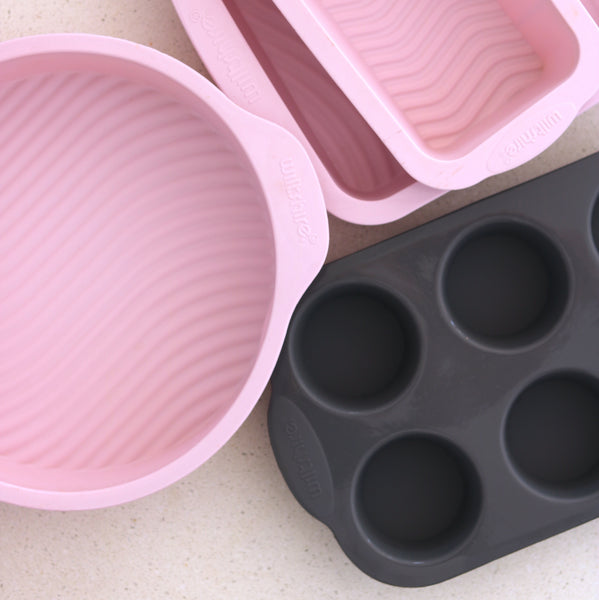
Have you ever wondered about the magic of silicone bakeware in your kitchen? If you’re tired of scrubbing stubborn stains off your old baking pans or dealing with unevenly cooked treats, silicone bakeware might just be your new best friend.
It’s flexible, non-stick, and easy to clean, making your baking experience smoother and more enjoyable. But how exactly do you use it to get the best results? You might be curious whether it really lives up to the hype. You’ll discover simple tips and tricks to master the art of cooking with silicone bakeware, ensuring your cakes rise perfectly and your cookies slide right off.
Get ready to transform your baking routine and impress your taste buds!
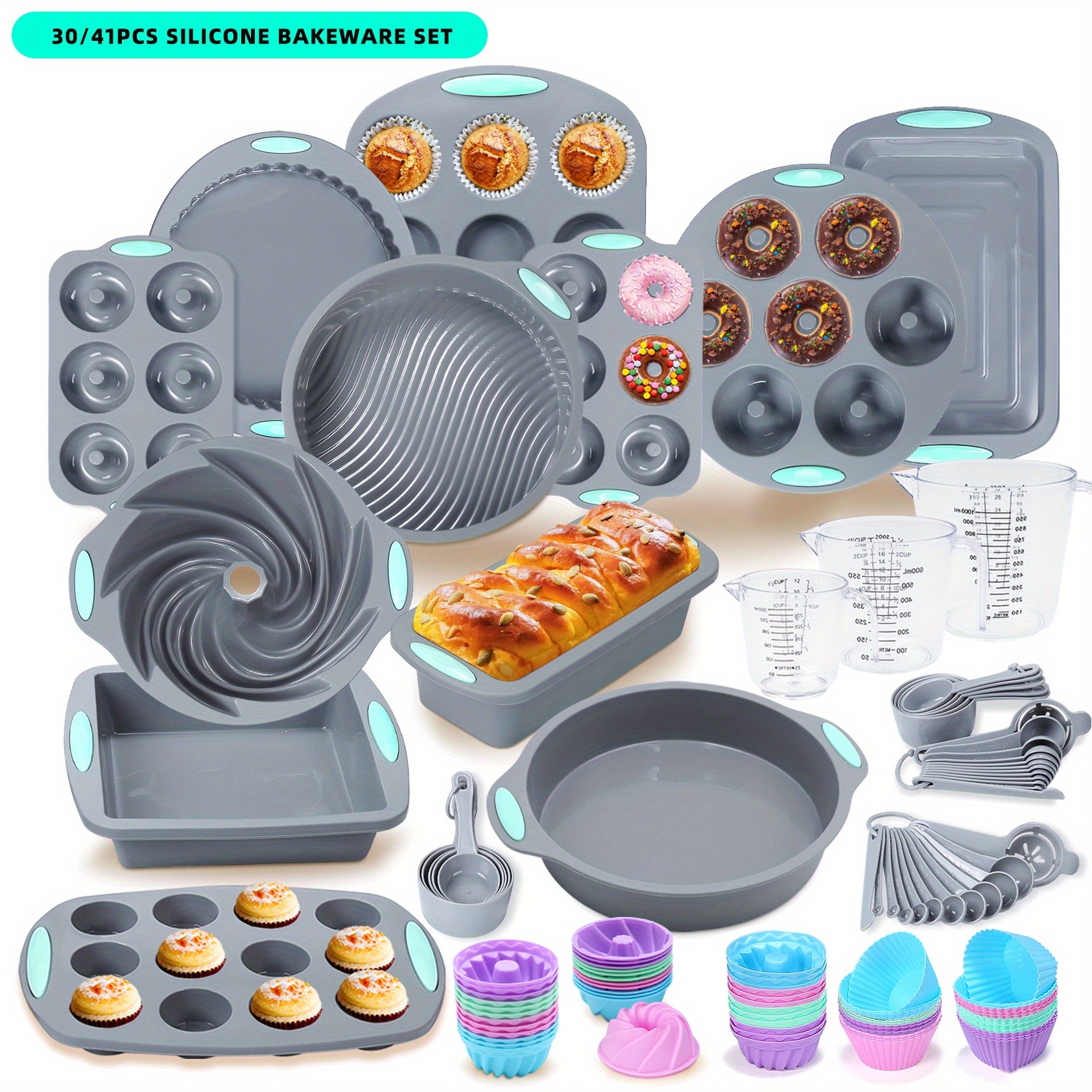
Credit: www.temu.com
Benefits Of Silicone Bakeware
Cooking with silicone bakeware offers convenience and versatility in the kitchen. It ensures even heat distribution for perfect baking results. Easy to clean, silicone is dishwasher safe, making post-baking cleanup a breeze.
Silicone bakeware has gained popularity in kitchens worldwide due to its flexibility, durability, and ease of use. Its vibrant colors and unique properties make it a go-to choice for both amateur and professional bakers. But what really makes silicone bakeware stand out?Non-stick Surface
One of the most enticing benefits of silicone bakeware is its non-stick surface. You can bid farewell to the tedious task of greasing pans or using parchment paper. Silicone ensures your baked goods slide out effortlessly, making the cleanup process a breeze.Temperature Resistance
Silicone bakeware is designed to withstand extreme temperatures. You can seamlessly transition from a hot oven to the cold freezer without worry. This versatility allows you to experiment with a wide range of recipes, from baking cakes to making frozen desserts.Durability And Longevity
Silicone is incredibly durable. Unlike metal or glass, it doesn’t rust, stain, or shatter. With proper care, your silicone bakeware can last for years, maintaining its quality and performance.Storage Convenience
Silicone bakeware offers unmatched flexibility, allowing you to fold or stack it without damage. This feature is perfect for those with limited kitchen space. Imagine easily tucking away your bakeware in a crowded cabinet without any hassle.Eco-friendly Choice
Choosing silicone bakeware can be an eco-friendly decision. It’s reusable and can reduce your reliance on single-use baking supplies like parchment paper or foil. Are you considering a more sustainable kitchen? Silicone might be your answer.Safe And Non-toxic
Silicone is made from natural materials and is generally free from harmful chemicals. This makes it a safer choice for you and your family. Knowing your bakeware is non-toxic adds peace of mind to your cooking adventures.Vibrant And Customizable
Silicone bakeware comes in a variety of shapes and colors, adding a splash of fun to your kitchen. Whether you’re baking for a birthday party or just a casual gathering, you can find bakeware to match any theme. How about trying a heart-shaped pan for Valentine’s Day or star molds for a festive touch?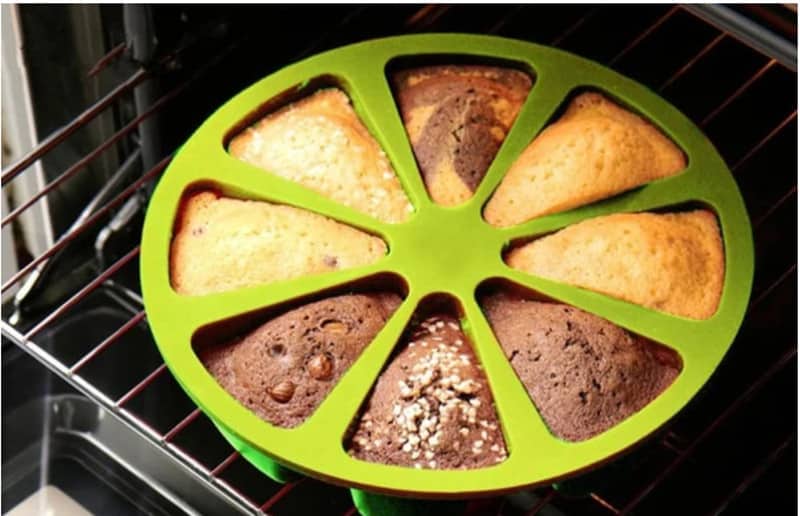
Credit: consumersiliconeproducts.com
Choosing The Right Silicone Bakeware
Choosing the right silicone bakeware can elevate your baking experience. Silicone bakeware offers flexibility, non-stick properties, and vibrant colors. Not all silicone bakeware is created equal. Understanding its types and factors to consider ensures you make the best choice.
Types Of Silicone Bakeware
Silicone bakeware comes in various forms to suit different baking needs.
- Molds:These are great for cakes, muffins, and pastries.
- Mats:Perfect for lining baking sheets, providing a non-stick surface.
- Pans:Available in loaf, cake, and pie shapes for versatile baking.
- Trays:Ideal for cookies and biscuits, ensuring even baking.
Factors To Consider
Several factors guide the selection of silicone bakeware.
- Heat Resistance:Ensure it withstands oven temperatures safely.
- Size and Shape:Choose based on the recipes you often bake.
- Flexibility:Look for easy release of baked goods.
- Durability:High-quality silicone resists warping and lasts longer.
- Ease of Cleaning:Dishwasher-safe options save time.
Preparing Silicone Bakeware
Using silicone bakeware is simple and efficient. Preheat the oven and ensure the bakeware is clean. Fill with batter, place on a stable baking sheet, and adjust cooking times if needed. Enjoy easy release and quick cleanup.
Preparing Silicone Bakeware Silicone bakeware has taken the culinary world by storm, thanks to its flexibility, durability, and ease of use. However, to ensure the best results in your baking endeavors, preparing these unique kitchen tools correctly is crucial. Have you ever wondered why your silicone bakeware sometimes sticks or retains odors? Let’s dive into the essential steps for preparing your silicone bakeware.Cleaning And Maintenance
Before using your silicone bakeware, give it a good wash. Use warm soapy water and a soft sponge to remove any residue from manufacturing. This initial cleaning is vital to avoid transferring any unwanted flavors to your food. Maintaining silicone bakeware is straightforward. After each use, a quick rinse and a gentle scrub should suffice. If you notice stubborn stains or lingering odors, try soaking it in a mixture of baking soda and water overnight. This natural solution can work wonders. Remember to avoid abrasive cleaners or scrubbing pads, as they can damage the silicone’s surface. Proper maintenance ensures your bakeware remains in pristine condition, ready for your next culinary creation.Greasing Tips
Despite being non-stick, silicone bakeware can benefit from a light greasing. A thin layer of oil or butter can enhance its non-stick properties, especially when baking sticky or sugary treats. Don’t overdo it! A light coating is all you need. Using a pastry brush is a great way to evenly distribute the grease without excess. You might think greasing is unnecessary, but it can make unmolding much easier, especially for intricate designs. Have you ever experienced a cake that stubbornly clings to the mold? A little grease can be a game-changer, ensuring smooth releases every time. Are you ready to elevate your baking with silicone bakeware? By following these simple preparation steps, you’ll enjoy seamless baking sessions and delicious results.Baking Techniques With Silicone
Silicone bakeware is a modern kitchen marvel. It offers flexibility, non-stick properties, and durability. Cooking with silicone can transform your baking experience. Mastering the right techniques ensures great results every time.
Temperature Adjustments
Silicone bakeware conducts heat differently than metal. You might need to adjust your oven temperature slightly. Lower the temperature by about 10-20 degrees Fahrenheit. This helps prevent over-browning and ensures even baking.
Cooking Time Considerations
Baking times can vary with silicone. Check your baked goods earlier than usual. Start testing for doneness 5-10 minutes before the recommended time. This prevents overcooking and keeps your treats perfect.
Common Mistakes To Avoid
Using the wrong temperature can affect your baking results with silicone bakeware. Avoid cutting directly in the pans to prevent damage. Proper greasing is crucial as silicone is not always non-stick.
Cooking with silicone bakeware can be a delightful experience, bringing vibrant colors and flexible forms to your kitchen adventures. However, if you’re new to silicone, you might stumble upon some common pitfalls. To ensure your baking journey is smooth and successful, let’s explore some frequent mistakes you should steer clear of.Overfilling Molds
Silicone molds are incredibly versatile, but it’s easy to overestimate their capacity. Overfilling can lead to uneven baking or spillovers, making your culinary creation less appetizing. Instead, fill your molds only up to two-thirds full. This allows room for expansion, giving your cakes or muffins a perfect rise. Have you ever eagerly awaited a beautifully shaped cake, only to find it distorted? It’s worth checking the mold’s capacity before pouring your batter.Ignoring Cooling Time
Silicone’s flexibility can be deceptive. While it cools faster than metal, the food inside might still be piping hot. Ignoring cooling time can lead to misshaped desserts or burns. Allow your bakeware to rest on a cooling rack until the food reaches room temperature. This ensures that your treats retain their intended form and are safe to handle. Have you ever rushed to unmold a cake, only for it to break apart? Patience is key. Let it cool thoroughly for a flawless presentation. Avoid these mistakes, and you’ll find your silicone bakeware to be a trusty ally in the kitchen. What other challenges have you faced with silicone? Your insights might just be what someone else needs to hear!Creative Uses Beyond Baking
Silicone bakeware isn’t just for baking cakes and cookies; its versatility extends far beyond the oven. Have you ever considered using silicone molds for freezing or storage? Or maybe you’ve used them in the microwave? These innovative applications might just change the way you look at your kitchen tools. Let’s dive into some creative uses of silicone bakeware that go beyond traditional baking.
Freezing And Storage
Silicone bakeware is perfect for freezing individual portions of food. Whether you’re prepping for a busy week or preserving leftovers, silicone molds can help you organize and store meals efficiently.
- Freeze homemade baby food in silicone muffin cups and pop them out for easy serving.
- Try freezing herbs in oil using small silicone molds, which can be directly added to dishes for quick flavor enhancements.
- Silicone containers can be airtight, ideal for storing snacks or chopped fruits in the fridge.
Have you tried using silicone molds for meal prep? It’s a game-changer for making your kitchen routine more efficient.
Microwave And Oven Uses
Silicone bakeware can withstand both high and low temperatures, making it incredibly versatile. Its flexibility allows for creative uses in the microwave and oven.
- Reheat leftovers evenly in silicone containers, as they distribute heat well without warping.
- Use silicone molds to make microwave omelets or frittatas — easy and mess-free!
- Experiment with baking savory dishes like stuffed peppers or mini meatloaves for quick meals.
Have you ever used silicone bakeware to create unique microwave dishes? Its adaptability might surprise you, offering new culinary possibilities right at home.
Care And Longevity
Silicone bakeware offers a flexible and easy-to-use option for cooking. Preheat the oven and place bakeware on a stable surface. Avoid high temperatures to ensure longevity, and use gentle cleaning methods for care.
Silicone bakeware has become a staple in kitchens worldwide due to its versatility and durability. However, ensuring its longevity requires proper care. Treating your silicone bakeware with respect will not only prolong its life but also enhance your culinary adventures. With the right techniques, you can maintain your bakeware’s pristine condition and enjoy delicious results for years.Proper Storage
Storing your silicone bakeware correctly is crucial for maintaining its shape and functionality. Avoid stacking heavy items on top of it; this can cause warping or damage. Consider designating a specific spot in your kitchen cabinet where it can lie flat or stand upright without pressure. A tip from a seasoned baker: invest in a simple storage rack to keep your bakeware organized and accessible. How do you currently store yours?Handling Tips
Gentle handling goes a long way in preserving silicone bakeware. Always cool the bakeware to room temperature before washing. Hot silicone can warp if exposed to cold water. When removing baked goods, use a soft spatula to avoid scratches. Have you noticed how easy it is to pop out muffins without a fuss? That’s the beauty of silicone, but remember to be gentle! Regularly inspect for any tears or signs of wear. If you spot any damage, consider replacing the piece to maintain food safety. These simple handling tips ensure your bakeware stays in top shape, delivering flawless results every time.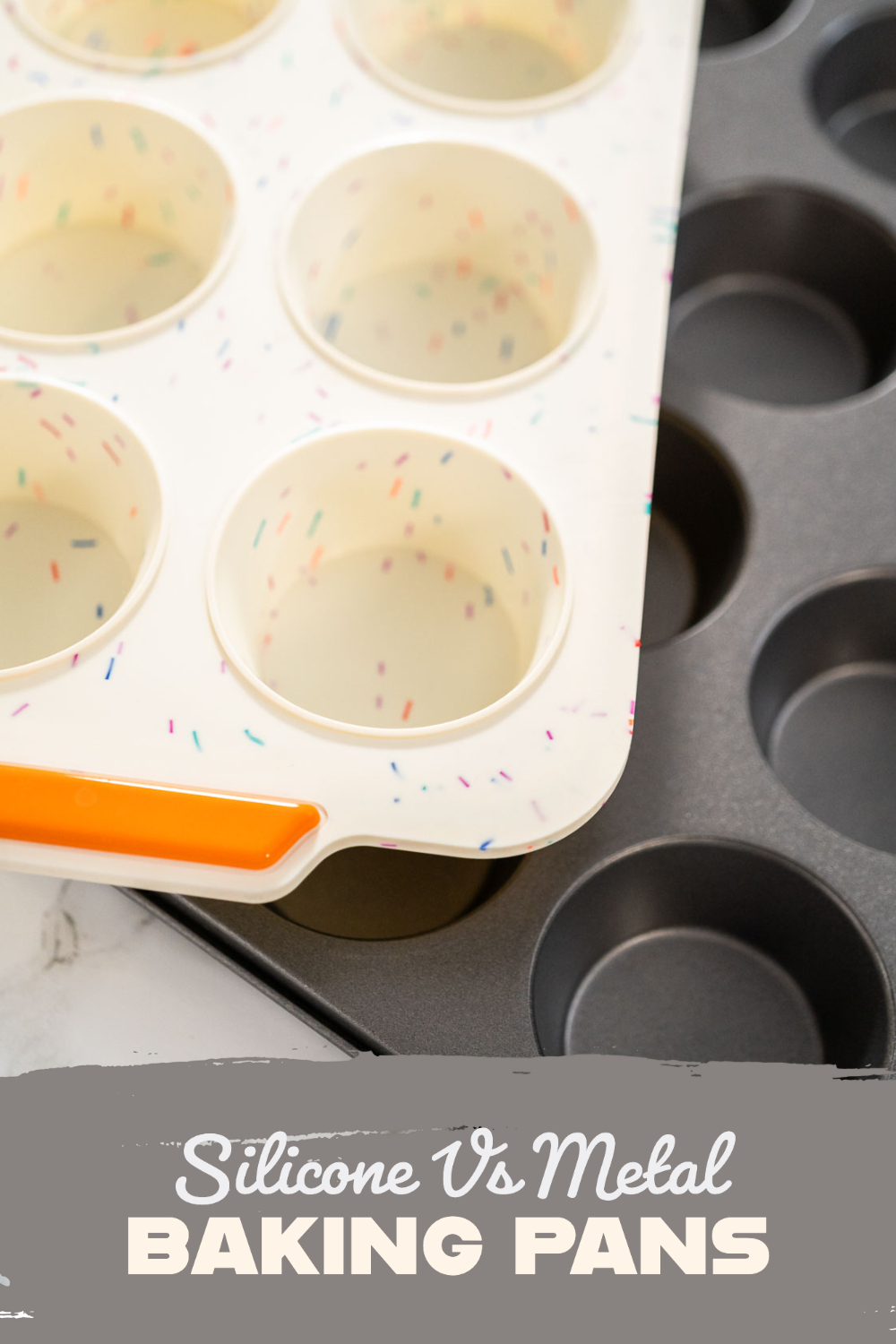
Credit: arinaphotography.com
Frequently Asked Questions
Is Silicone Bakeware Safe For Cooking?
Yes, silicone bakeware is safe for cooking. It is made from food-grade silicone, which is non-toxic and heat-resistant. Silicone bakeware can withstand temperatures up to 500°F (260°C). It’s also non-stick, making it easy to clean and ideal for baking.
How Do You Clean Silicone Bakeware?
Clean silicone bakeware with warm soapy water. Use a soft sponge to avoid scratching the surface. Rinse thoroughly and dry with a clean towel. For stubborn stains, baking soda paste can be effective. Silicone bakeware is also dishwasher safe, offering an easy cleaning option.
Can Silicone Bakeware Go In The Oven?
Yes, silicone bakeware can go in the oven. It is designed to withstand high temperatures, typically up to 500°F (260°C). Always check the manufacturer’s instructions for specific temperature limits. Silicone bakeware is flexible, so place it on a baking sheet for support.
Does Silicone Bakeware Affect Baking Time?
Silicone bakeware can slightly affect baking time. It may require a few extra minutes compared to metal pans. It distributes heat evenly but not as quickly as metal. Always monitor your baked goods and adjust the time if necessary for perfect results.
Conclusion
Silicone bakeware makes baking easy and fun. It’s non-stick and flexible. Cleanup becomes a breeze. It can handle high and low temperatures. This makes it perfect for various recipes. Store your silicone pieces carefully to maintain their shape. Choose quality products for the best results.
Remember to follow recipe instructions closely. Enjoy experimenting with your new bakeware. With practice, your baking will improve. So, grab your silicone bakeware and start baking today. Happy baking!