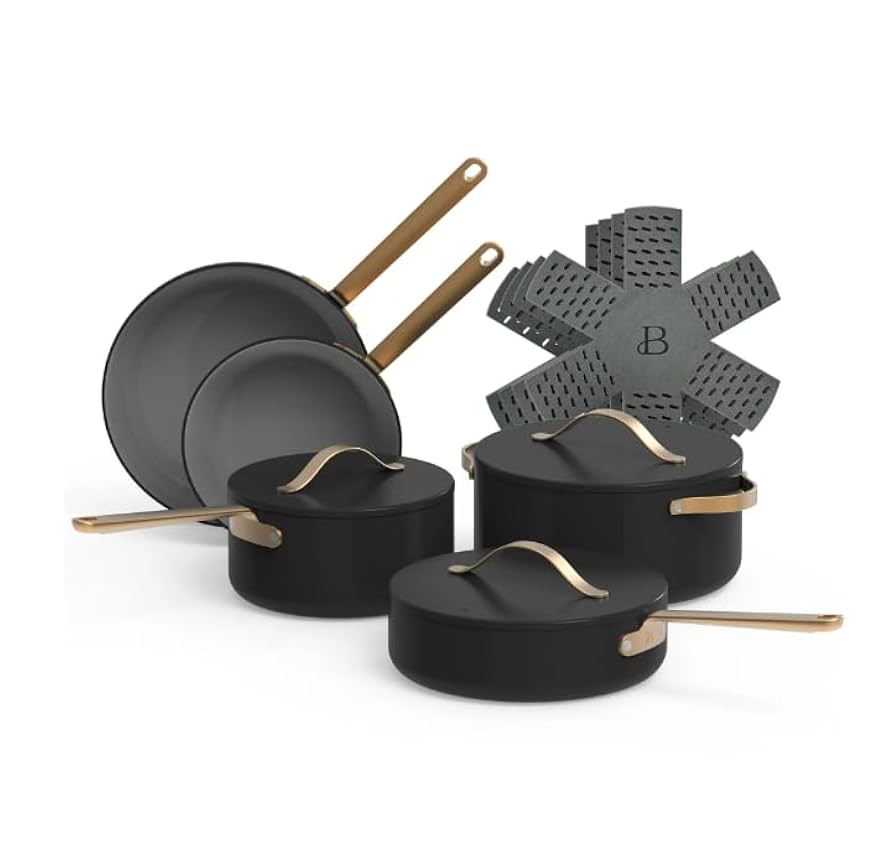
Imagine stepping into your kitchen, where the gleam of beautiful cookware catches your eye. You’re eager to whip up a delicious meal, but a question lingers: is your stunning cookware safe for you and your family?
You’re not alone in wondering if beauty and health can coexist in the realm of kitchen essentials. As you explore this topic, uncover the truth about non-toxic cookware and how it impacts your health. Discover the secrets behind those polished surfaces and vibrant hues, and learn how to make informed choices that ensure both style and safety in your culinary adventures.
Keep reading to unveil the mystery of beautiful cookware and its hidden effects on your well-being.
Credit: www.surlatable.com
Understanding Cookware Materials
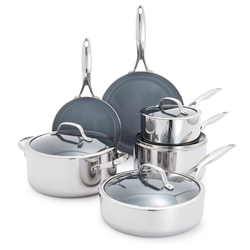
Beautiful cookware can be non-toxic, but material choice is key. Options like stainless steel and cast iron are safe. Avoid non-stick surfaces with harmful coatings.
Understanding the materials used in cookware is crucial for ensuring the health and safety of your meals. As you navigate through the colorful aisles of kitchen supplies, the choices can seem overwhelming. Each material has its own unique properties, affecting not only how your food tastes but also how safe it is to cook with. Let’s dive into the common materials used in cookware and weigh their pros and cons.Common Materials Used
Cookware is crafted from a variety of materials, each offering different benefits. Stainless steel is a popular choice for its durability and resistance to rust. Cast iron, known for its heat retention, is favored by many for cooking dishes evenly. Aluminum cookware is lightweight and heats up quickly, making it ideal for those busy weeknight meals. Copper cookware, although pricey, provides excellent heat conductivity for precise cooking. Finally, non-stick coatings like Teflon are common, providing convenience by preventing food from sticking.Pros And Cons Of Each Material
- Stainless Steel:This material is durable and non-reactive, but it can be prone to sticking and might require a bit more elbow grease to clean.
- Cast Iron:It excels at heat retention and adds iron to your diet, yet it requires regular seasoning to prevent rust and maintain its non-stick surface.
- Aluminum:Lightweight and affordable, but it can react with acidic foods unless it’s anodized.
- Copper:Offers unparalleled heat control, though it can be expensive and requires regular polishing to maintain its shine.
- Non-Stick (Teflon):Convenient for easy cleanup, but high heat can release toxins if the coating is scratched or overheated.
Credit: www.walmart.com
Non-toxic Cookware Options
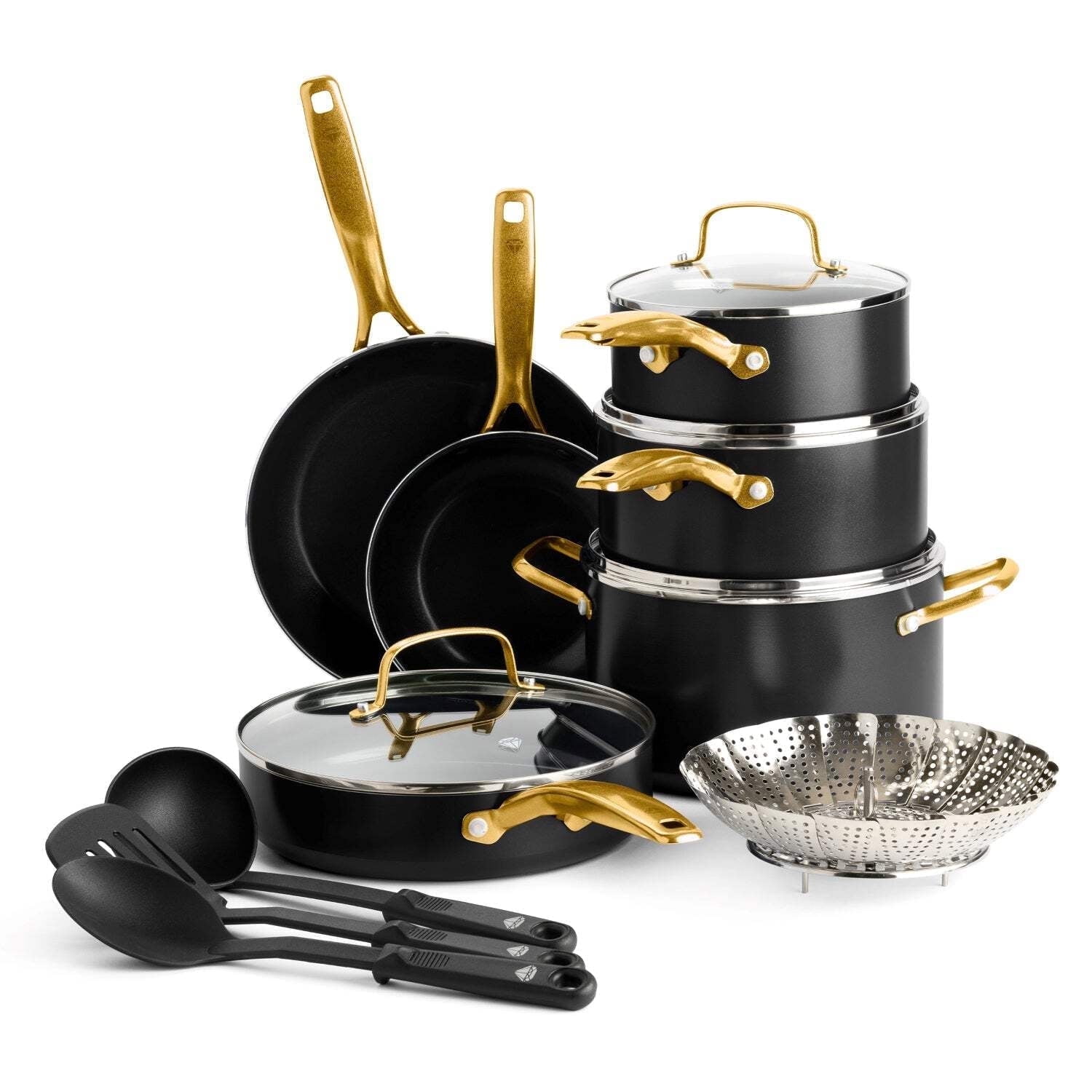
Choosing the right cookware is crucial for maintaining a healthy lifestyle, especially when you’re aiming for non-toxic options. It’s not just about aesthetics; the material of your cookware can significantly impact the safety and taste of your food. You might wonder, is beautiful cookware truly non-toxic? The answer lies in understanding the different non-toxic materials available today.
Ceramic Cookware Benefits
Ceramic cookware is a popular choice among health-conscious individuals. It’s known for its non-stick surface that doesn’t leach harmful chemicals into your food. This makes it a safer alternative to traditional non-stick pans.
Cooking with ceramic can also enhance the flavors of your dishes. Imagine preparing a delicious stir-fry where the vegetables retain their vibrant colors and taste. Ceramic ensures even heat distribution, so your meals are cooked perfectly every time.
Plus, cleaning ceramic cookware is a breeze. No more scrubbing away stubborn residue; a simple rinse often does the trick. Have you tried ceramic yet?
Stainless Steel Safety
Stainless steel is another excellent non-toxic option. It’s durable and can withstand high temperatures without warping or releasing toxins. Many professional chefs swear by stainless steel for its reliability and safety.
When cooking with stainless steel, you get unmatched control over the cooking process. Whether you’re searing a steak or simmering a sauce, stainless steel provides the precision you need. It’s no wonder why it’s a staple in many kitchens.
Maintenance is straightforward too. With a bit of soap and water, your stainless steel cookware can shine like new for years to come.
Glass Cookware Features
Glass cookware offers a unique combination of safety and functionality. It’s completely non-toxic and doesn’t interact chemically with your food. This makes it an excellent choice for baking and roasting.
One of the standout features of glass cookware is its transparency. You can easily monitor your food as it cooks, ensuring perfect results. Imagine baking a casserole and watching the cheese bubble and brown through the glass. It’s a satisfying sight!
Glass is also versatile; it can go from oven to table, making serving easy and elegant. How often do you use glass cookware?
Risks Of Toxic Cookware
Many people love beautiful cookware in their kitchens. But, not all cookware is safe. Some can be toxic and harm your health. It’s crucial to know the risks of toxic cookware and protect yourself.
Potential Health Issues
Toxic cookware can release harmful chemicals. These chemicals can get into your food while cooking. Eating such food can cause various health problems. Some chemicals can affect your liver and kidneys. Others might harm your nervous system. Long-term exposure can even lead to cancer. Using safe cookware is important for your health.
Chemicals To Avoid
Some cookware contains harmful chemicals. Avoid cookware with PTFE or PFOA. These are found in non-stick pans. They release toxic fumes when heated. Cadmium and lead are also dangerous. They can be in ceramic cookware. Look for cookware labeled as lead-free. BPA is another harmful chemical. It’s found in plastic cookware and utensils. Choose stainless steel or glass options instead.
Credit: www.walmart.com
Features Of Safe Cookware
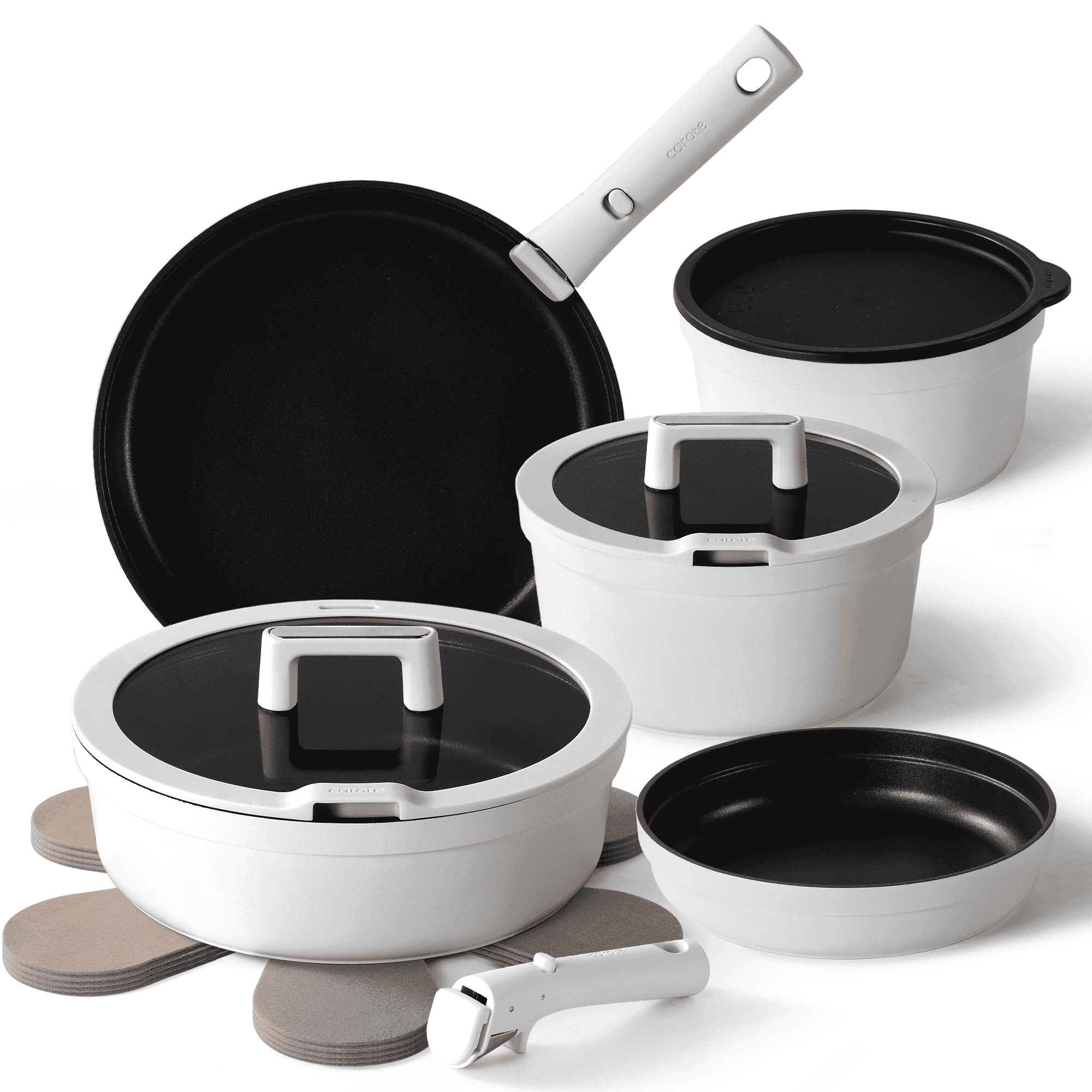
Choosing the right cookware is essential for ensuring that your meals are both delicious and safe. With concerns about toxins in certain cookware materials, it’s vital to understand the features that make cookware safe. Let’s explore some key aspects of non-toxic, beautiful cookware.
Eco-friendly Alternatives
Eco-friendly cookware not only benefits your health but also the planet. Materials like ceramic, cast iron, and stainless steel are excellent choices. They are free from harmful chemicals and can be recycled or repurposed easily.
Imagine cooking a sumptuous meal knowing your cookware is as kind to the Earth as it is to your body. This peace of mind is invaluable for those who prioritize sustainability.
Durability And Performance
When investing in cookware, durability is just as important as safety. High-quality materials like stainless steel and cast iron offer excellent longevity. They withstand high temperatures and resist wear and tear.
Performance is crucial too. You want cookware that heats evenly and retains heat well. This ensures your dishes cook perfectly every time.
Have you ever cooked with a flimsy pan that left parts of your dish undercooked? Opting for durable cookware can eliminate these kitchen frustrations.
Maintaining Non-toxic Cookware
Beautiful cookware often raises questions about its safety. Many attractive pots and pans are designed to be non-toxic, ensuring healthier cooking. Always check for labels indicating PFOA-free and lead-free materials.
Maintaining Non-Toxic Cookware Owning beautiful, non-toxic cookware is just the beginning. To ensure that it remains safe and effective, you need to maintain it properly. This not only extends the lifespan of your cookware but also ensures your meals stay healthy. Let’s dive into some practical ways to keep your cookware in top shape.Proper Cleaning Techniques
Cleaning your cookware correctly is essential. Avoid harsh detergents and opt for mild soap and warm water. This prevents damage to the non-toxic coating. Use a soft sponge or cloth instead of abrasive scrubbers. Abrasive materials can scratch the surface, potentially compromising its non-toxic properties. If you encounter stubborn stains, consider soaking the cookware in a mixture of baking soda and water. This gentle approach helps lift stains without harming the cookware.Storage Tips
Storing your cookware properly can prevent unnecessary wear and tear. Stack pots and pans with a protective layer, like a kitchen towel, between them. This avoids direct contact and reduces the risk of scratches. Hang your cookware if possible. This not only saves space but also keeps them in pristine condition. Plus, it’s a great way to showcase your beautiful cookware! Keep lids separate and store them upright. This prevents them from clattering around and causing potential damage. By adopting these simple practices, you ensure your cookware remains as beautiful and non-toxic as the day you bought it. Consider how these small changes can make a big difference in maintaining your kitchen essentials. What other strategies have you found effective in preserving your cookware?Choosing The Right Cookware
Selecting non-toxic cookware often involves balancing style and safety. Many beautiful options are available that ensure safe cooking. Choose materials like stainless steel or cast iron for their aesthetic appeal and health benefits.
Choosing the right cookware for your kitchen is crucial. It affects not just your cooking but your health too. Beautiful cookware can enhance your kitchen’s aesthetics. But is it non-toxic?Factors To Consider
When selecting cookware, consider the material. Stainless steel, cast iron, and ceramic are popular. These materials are often non-toxic and durable. Check for any coatings that might peel off. Non-stick surfaces can sometimes contain harmful chemicals. Always verify if the cookware is PFOA and PTFE-free. Size matters too. Choose sizes that fit your cooking needs. Smaller pots for sauces, larger ones for stews. Handles should be sturdy and heat-resistant. This prevents accidents and ensures safety.Balancing Beauty And Safety
Beautiful cookware can be a centerpiece in your kitchen. But it should also be safe for health. Look for brands known for quality and safety. Beautiful doesn’t mean sacrificing health. Ensure the cookware is free from harmful chemicals. Colorful enamel or sleek stainless steel can be both attractive and safe. Consider how easy it is to clean. Stains and residue can harbor bacteria. Opt for dishwasher-safe options if possible. Beautiful and practical cookware can coexist in your kitchen.Frequently Asked Questions
Is Beautiful Cookware Safe For Health?
Beautiful cookware can be safe if made from non-toxic materials. Look for options free from harmful chemicals like PFOA, PTFE, and lead. Brands often highlight their non-toxic credentials, ensuring a safer cooking experience. Always check product labels and reviews to confirm the cookware’s safety.
What Materials Make Non-toxic Cookware?
Non-toxic cookware is typically made from stainless steel, cast iron, or ceramic. These materials don’t leach harmful chemicals into food. Stainless steel is durable, while ceramic offers a non-stick surface without harmful coatings. Cast iron, when seasoned, provides a naturally non-stick surface, making it a great non-toxic choice.
How Do I Identify Non-toxic Cookware?
To identify non-toxic cookware, check for labels indicating PFOA, PTFE, and lead-free materials. Research the brand’s reputation and reviews. Look for certifications from recognized health organizations. Choosing well-known brands with a commitment to safety can also help ensure you’re purchasing non-toxic cookware.
Are Non-toxic Cookware Options Expensive?
Non-toxic cookware can vary in price, but many affordable options exist. While some high-end brands offer premium prices, budget-friendly choices are available without compromising safety. Investing in durable, non-toxic cookware can save money long-term by avoiding replacements and ensuring health safety.
Conclusion
Choosing non-toxic cookware ensures a safer cooking experience. Beautiful designs don’t have to sacrifice safety. Many options blend aesthetics with health benefits. Look for materials like stainless steel or cast iron. These are often non-toxic and durable. Check for labels that confirm safety standards.
Being informed helps in making better choices. Prioritize health without compromising style. Your kitchen can be both beautiful and safe. Remember, the right cookware supports a healthier lifestyle. Cooking becomes more enjoyable and worry-free. Keep exploring to find the best options for you.
Safe cooking is happy cooking!