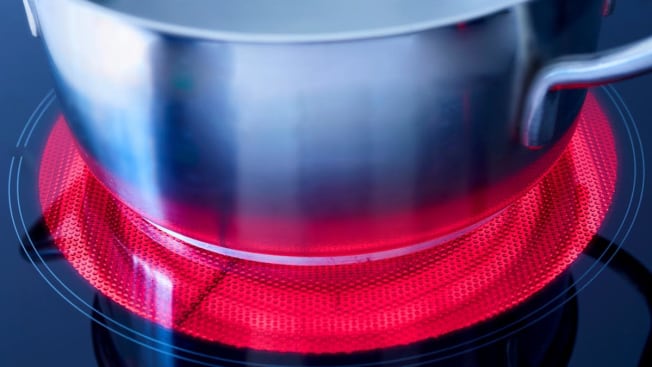
Have you ever found yourself standing in the kitchen, staring at your shiny new induction cookware, and wondering if you can use it on your electric stove? You’re not alone.
Many people are puzzled about this very question, and it’s one that deserves a clear answer. Imagine being able to seamlessly switch between cooking methods, unlocking new culinary possibilities without the hassle of buying new equipment. This article will guide you through everything you need to know about using induction cookware on an electric stove, so you can make informed choices and elevate your cooking experience.
Stick around, because what you learn here might just change the way you think about your kitchen setup.
Credit: palmetto.com
Induction Cookware Basics
Induction cookware is popular for its efficiency and sleek design. Many wonder if it works on electric stoves. Before diving into compatibility, understanding the basics of induction cookware is crucial. This knowledge helps in making an informed choice for your kitchen needs.
What Is Induction Cookware
Induction cookware is specially designed for induction cooktops. It is made from magnetic materials like stainless steel or cast iron. These materials allow the cookware to heat up quickly and evenly. Induction cooking relies on electromagnetic fields to transfer heat directly to the pan. This method is energy efficient and quick.
Key Features Of Induction Cookware
Induction cookware has several unique features. First, it has a flat bottom for better contact with the cooktop. This ensures even heat distribution. Second, it is often marked as “induction compatible” by manufacturers. This label helps in identifying the right cookware easily. Lastly, induction cookware is often heavier than regular cookware. This added weight helps in maintaining stability on the cooktop.
Credit: karinearappliances.com
Electric Stove Functionality
Electric stoves are a popular choice for many kitchens. They offer convenience and efficiency. Understanding how they work can help in selecting the right cookware. This includes induction pots and pans.
How Electric Stoves Work
Electric stoves use heating elements to cook food. These elements convert electricity into heat. The heat is then transferred to the cookware placed on the stove. The process is straightforward, making it easy to control cooking temperatures. Most electric stoves have knobs or digital controls. These allow users to adjust the heat level as needed.
Compatibility With Various Cookware
Electric stoves are versatile when it comes to cookware. They work well with many types, including stainless steel and cast iron. Induction cookware can also be used on electric stoves. It functions similarly to regular cookware on electric burners. Ensure the cookware has a flat base for even heat distribution. This helps in achieving consistent cooking results.
Using Induction Cookware On Electric Stoves
Using induction cookware on electric stoves is a common question. Many home cooks wonder if they can use their induction pots and pans on a regular electric stove. The good news is, most induction cookware is versatile enough for use on electric stoves.
Benefits Of Using Induction Cookware
Induction cookware offers several advantages. These pots and pans often feature a sturdy construction. They can handle high heat, making them suitable for various cooking techniques. The flat, even base of induction cookware provides excellent heat distribution. This means your food cooks evenly, reducing the risk of burning or undercooking.
Durability is another benefit. Induction cookware is typically made from high-quality materials. This means it can withstand daily use without warping or damage. Many induction pots and pans come with ergonomic handles. These handles stay cool, providing safety and comfort while cooking.
Potential Drawbacks
There are a few drawbacks to consider. Some induction cookware is heavier than regular cookware. This can make handling them a bit challenging. Be careful when moving them from the stove to the sink or table.
Another potential issue is cost. Induction cookware tends to be more expensive. For some, this could be a barrier. However, the investment often pays off in durability and performance.
Lastly, not all induction cookware works perfectly on electric stoves. Some may not heat as efficiently. Check the compatibility of your cookware before purchasing.
Testing Compatibility
Induction cookware can work on electric stoves if it has a flat base. The base ensures even heat distribution. Confirm your cookware is suitable by checking its compatibility label or manufacturer’s instructions.
Testing the compatibility of induction cookware with an electric stove is crucial. Not all cookware works on every stove type. Understanding the compatibility ensures optimal cooking results. It can also prevent damage to your cookware or stove. Let’s explore simple methods to test compatibility and signs that indicate incompatibility.Simple Methods To Test Compatibility
Testing cookware compatibility is straightforward. Use a magnet to check. Place a magnet on the bottom of the cookware:- If it sticks, the cookware is likely compatible.
- If it doesn’t stick, the cookware may not work well.
Signs Of Incompatibility
Recognizing signs of incompatibility is important. Look for uneven cooking results. Food may burn in spots while remaining raw in others. This suggests the cookware is not distributing heat evenly. Another sign is strange noises. Listen for buzzing or humming sounds. These sounds indicate the cookware is not suitable for the stove. Lastly, check for visible warping. Warping occurs when the cookware base is not flat. This affects contact with the stove and heat distribution.Alternative Cookware Options
Switching cookware can be an exciting opportunity to explore different culinary techniques. While induction cookware is versatile, there are numerous alternatives that can elevate your cooking experience on an electric stove. Each type of cookware offers unique benefits and challenges, making your choice pivotal for the best cooking results. Let’s delve into some traditional and modern options that can enhance your culinary adventures.
Traditional Cookware Choices
Traditional cookware has been the backbone of kitchens for centuries, and it’s no surprise why. Cast iron, stainless steel, and copper are classic choices that offer exceptional durability and heat distribution. Cast iron, known for its ability to retain heat, is perfect for slow-cooked meals and searing meats. Stainless steel is a staple for its versatility and ease of cleaning, making it ideal for everyday cooking. Copper, with its excellent thermal conductivity, provides precise temperature control, though it requires regular maintenance to keep its shine.
Have you ever tried using a vintage cast iron skillet passed down through generations? Its ability to create perfect crusts and deep flavors is unparalleled. These traditional choices not only bring nostalgia but also reliable performance to your kitchen.
Choosing The Right Cookware For Electric Stoves
Electric stoves require cookware that can efficiently conduct and maintain heat. Look for cookware with flat bottoms to maximize contact with the heating element. Materials like stainless steel and aluminum are excellent choices due to their even heat distribution. Non-stick options can also be beneficial, reducing the need for excess oil and making cleanup a breeze.
Have you noticed how a lightweight aluminum pan heats up quickly, saving you time during busy mornings? Opt for cookware that complements your cooking style and enhances your daily routine. Consider your cooking habits and the types of meals you prepare most often when selecting your cookware. Would a set of non-stick pans make your weekday dinners easier?

Credit: www.amazon.com
Tips For Optimal Cooking
Induction cookware can often be used on an electric stove. Just ensure the cookware has a flat bottom for effective heat transfer. Double-check compatibility to avoid uneven cooking.
When using induction cookware on an electric stove, there’s more to consider than just compatibility. Optimizing your cooking experience requires some tips and tricks to get the most out of your cookware. If you’re wondering how to make the most of this setup, you’re in the right place. Here are some insights to ensure your kitchen adventures are both efficient and enjoyable.Maintaining Cookware Efficiency
To keep your induction cookware in top shape, regular maintenance is key. Make sure to clean your pots and pans after every use. Use a non-abrasive sponge and mild detergent to avoid scratching the surface. Check the base of your cookware for any warping or damage. A flat base ensures even heat distribution on an electric stove. Small deformations can cause uneven cooking, leading to hot spots and burnt food. Store your cookware properly to prevent damage. Stack them carefully and use protective pads between items. This not only prolongs their lifespan but also keeps them looking new.Improving Cooking Performance On Electric Stoves
Preheat your electric stove slightly longer when using induction cookware. This ensures the base of the cookware heats evenly, allowing for consistent cooking results. Adjust your cooking techniques to suit the slower response of electric stoves. For instance, if you’re used to the quick heat of induction, give a few extra minutes for tasks like boiling water or sautéing vegetables. Experiment with cookware placement on the stove. Sometimes, the center of the burner might not align perfectly with the base of the pan. Adjusting the position slightly can lead to better performance and more even cooking. By implementing these tips, you can transform your cooking experience. What’s your favorite trick to enhance efficiency in the kitchen? Share your thoughts in the comments below!Common Misconceptions
Cooking technology has evolved, yet some misconceptions about induction cookware persist, especially concerning its compatibility with electric stoves. These misconceptions can often lead to confusion and missed opportunities in your kitchen. Let’s address some of the most common myths and clarify any confusion you may have.
Myths About Induction Cookware
Many believe that induction cookware is exclusively for induction cooktops. This is not true. Induction cookware is simply designed to be magnetic, which is why it works on induction cooktops. However, it can be used on any type of stove, including electric ones.
Another myth is that special pots and pans are required for electric stoves. In reality, most cookware that works on an induction cooktop can be used on electric stoves without any issues. The essential factor is the flatness of the cookware base to ensure even heat distribution.
Clarifying Confusion
Confusion often arises from the term “induction cookware” itself. It suggests exclusivity, but think of it as a versatile cooking companion suitable for various stoves, including electric. For example, cast iron and stainless steel, common in induction cookware, work perfectly on electric stoves.
Have you ever wondered why some pans heat unevenly on your electric stove? It might be the cookware material. Using induction-compatible cookware on an electric stove can actually enhance your cooking experience by providing even heat.
So, next time you’re in the market for new kitchenware, remember that induction cookware offers flexibility. Whether upgrading your kitchen or replacing old pots, understanding these myths and facts will help you make informed decisions.
Frequently Asked Questions
Can Induction Cookware Work On Electric Stoves?
Yes, induction cookware can work on electric stoves. However, it’s important to ensure that the cookware has a flat bottom. This ensures maximum contact with the electric stove’s heating element. While induction cookware is designed for induction stoves, it is versatile enough to be used on electric stoves too.
What Makes Induction Cookware Special?
Induction cookware is made from magnetic materials, such as stainless steel or cast iron. This allows it to work with induction cooktops, which use magnetic fields to generate heat. The magnetic nature of the cookware ensures quick and even heating.
This efficiency makes it a popular choice for modern kitchens.
Can I Use Any Pan On An Electric Stove?
Yes, most pans can be used on electric stoves. However, flat-bottomed pans are preferred for better heat distribution. Materials like stainless steel, cast iron, and copper are excellent choices. Always ensure the pan is compatible with the stove’s heating elements for optimal performance and safety.
Do Electric Stoves Require Special Cookware?
No, electric stoves do not require special cookware. However, flat-bottomed and heavy-duty cookware is recommended for even cooking. Materials like stainless steel, cast iron, and aluminum work well. These materials ensure efficient heat transfer and prevent hot spots, ensuring a pleasant cooking experience.
Conclusion
Choosing the right cookware matters. Induction pans work on electric stoves. They are versatile and convenient. Consider the material and size. Compatibility ensures even heating. Check the base for magnetic properties. This enhances cooking efficiency. Many households use induction cookware successfully.
It’s a smart choice for modern kitchens. Always test compatibility before purchase. This saves time and hassle. Enjoy cooking with the right tools. Your meals will taste better. Explore the cookware options available. Make informed decisions for your kitchen needs.
Cooking becomes more enjoyable and efficient with the right equipment.