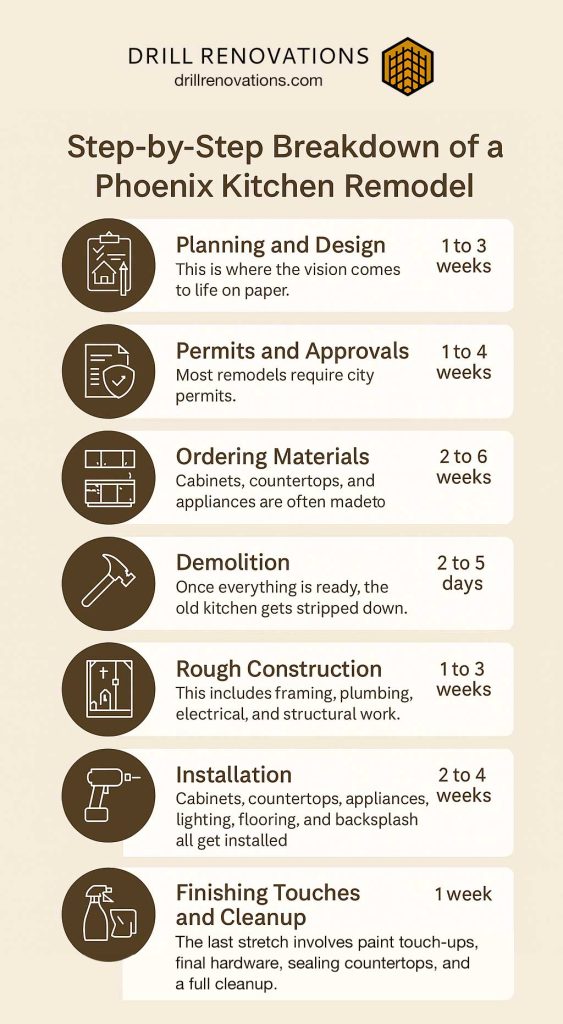
When you’re planning a kitchen remodel, one of the biggest questions that pops into your mind is, “When do appliances get installed?” It’s a crucial detail that can make or break the flow of your renovation project.
Imagine the thrill of seeing your dream kitchen come together, only to realize that the appliances don’t fit or arrive at the wrong time. Frustrating, right? Understanding the perfect timing for appliance installation can save you from unnecessary headaches and help ensure everything goes smoothly.
Stick around as we uncover the secrets to perfectly timing your appliance installation. You’ll find out how to avoid common pitfalls and keep your kitchen remodel on track. Ready to transform your kitchen without the stress? Let’s dive in!
Planning The Kitchen Remodel
Appliances are typically installed towards the end of a kitchen remodel. This ensures that cabinetry and countertops are in place first. Proper timing prevents damage to new appliances during construction.
Planning a kitchen remodel involves many decisions. The goal is to create a functional and beautiful space. One crucial aspect is installing new appliances. Timing and budgeting play significant roles. Let’s delve into the planning process.Setting The Timeline
Start by creating a realistic timeline. Consider each step of the remodel. Plan when each task will happen. This includes demolition, electrical work, and installing appliances. A clear timeline helps avoid delays. Coordinate with contractors to ensure smooth progress. Be flexible, as unexpected issues can arise. Regularly review and adjust the timeline if needed.Budget Considerations
Budgeting is essential in kitchen remodeling. Determine how much you can spend. Include costs for materials, labor, and appliances. Research prices for each item. Look for deals and discounts to save money. Allocate a portion of your budget for unexpected expenses. Keep track of spending to stay within budget. Prioritize essential features over luxury items. This ensures you get the most value for your money.Choosing Appliances
Choosing the right appliances during a kitchen remodel is crucial. They impact both functionality and aesthetics. Appliances are essential components that define the kitchen’s character. Selecting them involves careful consideration of various factors.
Types Of Appliances
Appliances come in various types, each serving unique purposes. Refrigerators keep food fresh and cool. Ovens and stoves are vital for cooking meals. Dishwashers save time by cleaning dishes efficiently. Microwaves offer quick heating options. Each appliance type has different models and sizes.
Energy Efficiency
Energy efficiency is important in modern kitchens. Efficient appliances reduce electricity bills. They are better for the environment. Energy-efficient models often have special labels. Look for Energy Star-rated appliances. These use less power and provide better performance. Prioritize energy-efficient choices to create a sustainable kitchen.
Demolition And Preparation
Appliances typically get installed after the kitchen remodel’s demolition and preparation phase. This ensures all structural changes are complete, providing a seamless fit. Proper timing avoids potential damage and allows for efficient workflow during installation.
Demolition and preparation set the stage for a successful kitchen remodel. Before any new appliances can find their place, the existing space must be cleared and primed. This phase, though often underestimated, is crucial in ensuring a smooth transition to the next steps in your kitchen renovation journey.Removing Old Fixtures
The first task at hand is removing old fixtures like cabinets, countertops, and sinks. Clearing these elements can be a bit chaotic, but it’s a necessary chaos. Imagine peeling away layers of an old, worn-out kitchen to reveal a blank canvas ready for transformation. Safety gear is essential here—gloves and goggles protect you from unexpected debris. Taking this step seriously can prevent accidents and keep the process efficient. It’s also a great opportunity to recycle or donate usable fixtures, reducing waste and helping others in need.Preparing The Space
With the old fixtures gone, the next step is preparing the space for the new design. This involves inspecting the plumbing and electrical systems to ensure they meet modern standards. It’s a chance to address any hidden issues that could disrupt your remodel later on. Think about the layout of your kitchen. Is there a wall you’ve always wanted to knock down? Now might be the perfect time to open up your space and enhance the flow. Every decision here sets the foundation for the appliances that will soon be installed. Finally, a thorough cleaning is vital. Dust, debris, and remnants of the old kitchen must be removed. A clean slate not only feels satisfying but also ensures that new installations fit perfectly without any obstructions. By focusing on these preparation steps, you set the stage for a kitchen that truly reflects your vision and functionality needs. What would you change in your kitchen if you could start from scratch?
Credit: www.tiktok.com
Structural Modifications
Appliances are usually installed after most kitchen remodels. This ensures no damage during major structural modifications. Ideal timing is post-cabinet installation, allowing for precise fitting and minimal disruption.
Structural modifications play a crucial role in kitchen remodels. They set the foundation for installing new appliances. Before diving into installing shiny new gadgets, structural changes ensure the kitchen can support them. This involves altering existing layouts to accommodate modern needs.Plumbing Adjustments
Plumbing adjustments are vital during kitchen remodels. They ensure water flows smoothly to sinks and appliances. Dishwashers and refrigerators often need new water connections. Sometimes, old pipes need replacing to handle new demands. These changes prevent leaks and water damage. Proper plumbing supports efficient kitchen operation.Electrical Upgrades
Electrical upgrades are essential for powering new appliances. Many modern gadgets require more power. Older kitchens might lack the necessary outlets. Installing new circuits ensures safety and efficiency. Upgraded wiring prevents overloads and potential hazards. Good electrical work enhances the overall kitchen functionality.Cabinet Installation
Appliances are installed after cabinets during a kitchen remodel. This ensures proper spacing and alignment.
Cabinet installation is a pivotal phase in any kitchen remodel, setting the stage for where your appliances will eventually reside. This step determines the flow and functionality of your kitchen. It’s crucial to get it right, as the placement and type of cabinets can affect how you use your space every day.Custom Vs. Pre-made
Choosing between custom and pre-made cabinets can significantly impact your kitchen’s functionality and aesthetics. Custom cabinets offer the flexibility to fit your space perfectly and cater to your specific needs. They allow for unique features like pull-out shelves or soft-close drawers. Pre-made cabinets, on the other hand, are budget-friendly and readily available. While they may lack customization, modern pre-made options come in various styles and finishes to suit most kitchens. Have you considered how these choices align with your vision and budget?Fitting And Alignment
Fitting and alignment are critical to ensuring your cabinets function well and look polished. Improper alignment can lead to doors that won’t close properly or drawers that stick. It can be frustrating, especially when you’re trying to grab a pot in the middle of cooking. Professional installers use precise measurements and tools to ensure everything fits perfectly. However, if you’re a DIY enthusiast, investing in a quality level and taking your time can help achieve professional results. Do your cabinets enhance your kitchen’s look and usability?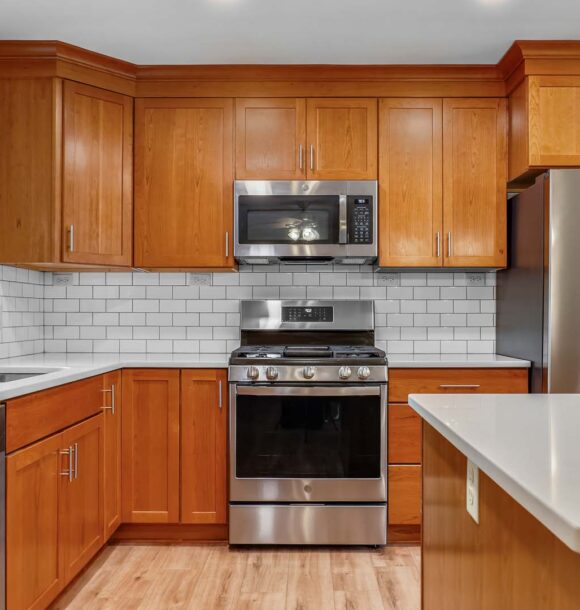
Credit: www.madisonexteriorsandremodeling.com
Countertop Selection
Countertop selection plays a crucial role in kitchen remodels, as appliances are typically installed after countertops are in place. This ensures proper fitting and alignment, preventing potential damage or misplacement during the process.
Countertop selection is a crucial part of a kitchen remodel. The right countertop enhances both style and function. It sets the tone for your kitchen’s overall design. Choosing the right material and installation technique is key.Material Options
Selecting the right countertop material requires careful thought. Each material offers unique benefits. Here are some popular options:- Granite:Durable and heat-resistant. Requires regular sealing.
- Quartz:Non-porous and low maintenance. Available in various colors.
- Marble:Elegant and timeless. Prone to scratching and staining.
- Laminate:Affordable and versatile. Less durable than stone.
- Concrete:Customizable and modern. May develop hairline cracks.
Installation Techniques
Proper installation ensures your countertop lasts for years. Here are common techniques used by professionals:- Template Creation:Accurate templates ensure a perfect fit.
- Seam Placement:Minimizes visible joints in the surface.
- Support Brackets:Provide stability for overhanging sections.
- Sealing:Protects porous materials from stains and spills.
Flooring Choices
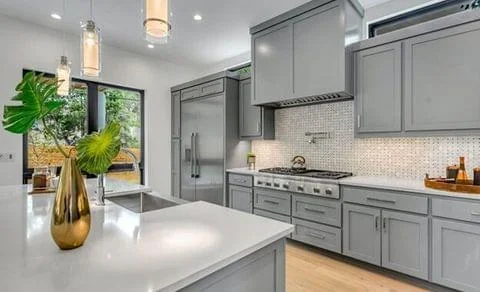
Choosing the right flooring for your kitchen remodel is crucial. It sets the foundation for the entire space. The flooring you select can impact the look and feel. It also plays a role in the installation timeline of appliances. Let’s dive into key aspects of flooring choices.
Durability And Style
Kitchen floors face heavy foot traffic and spills. Durable materials like tile or vinyl are popular. They withstand wear and tear effectively. Style is equally important. You want flooring that complements your kitchen design. Colors and patterns can enhance the overall aesthetic. Consider materials that offer both durability and visual appeal.
Installation Process
The flooring installation process varies by material. Tile floors require careful planning and precise placement. Vinyl offers easier installation options. The choice affects the timeline for appliance installation. Properly installed flooring ensures a smooth setup. Coordination with contractors is key. Plan the installation around other remodeling tasks.
Credit: modernkitchen.com
Appliance Installation
Appliance installation is a pivotal phase in any kitchen remodel. It’s when your design vision begins to materialize, transforming the space into a functional hub. Whether you’re integrating sleek modern appliances or opting for energy-efficient models, timing their installation correctly can significantly impact the outcome of your renovation.
Timing Considerations
Timing the installation of appliances is crucial for avoiding unnecessary delays or complications. Typically, appliances should be installed after major structural work is completed but before the final touches like painting and flooring. This ensures that there’s enough space for the appliances and prevents damage to your new finishes.
Consider the order in which each appliance needs to be installed. For example, it makes sense to install your refrigerator and oven after the cabinetry is in place. But, if you’re installing a wall oven, it may require coordination with cabinetry installation. Think about how each appliance fits into the overall workflow of your remodel.
Professional Vs. Diy
The decision between professional installation and DIY can greatly affect your remodel’s efficiency and quality. Professional installers bring expertise and can tackle complex installations, ensuring appliances are safely and correctly fitted. This can be especially beneficial for intricate setups involving gas stoves or integrated appliances.
On the other hand, DIY installation can be a rewarding challenge for those with the right skills. It can save money and give you more control over the process. However, it’s important to assess whether you have the necessary tools and knowledge. Incorrect installation can lead to problems down the line. Are you ready to troubleshoot issues yourself, or would you prefer peace of mind from professional assurance?
Final Touches
The final touches in a kitchen remodel bring the project to life. This stage transforms the space into an inviting, functional area. It’s about adding the elements that complete the vision. From installing hardware to perfecting the paint, every detail matters.
Hardware And Accessories
Hardware installation marks a significant step. Handles and knobs enhance the cabinets’ look. They provide ease of use and style. Choose finishes that match the overall theme. Stainless steel, brass, or matte black are popular options. Accessories like towel racks and hooks add practicality. They complement the hardware while boosting functionality.
Paint And Decor
Paint plays a crucial role in setting the mood. Light colors make the space feel open. Dark shades add depth and elegance. Accent walls create focal points. Decor items like artwork and plants inject personality. They soften the room and add warmth. Consider textures and colors that align with the design scheme.
Frequently Asked Questions
When Do Kitchen Appliances Get Installed?
Kitchen appliances are typically installed after the cabinets and countertops are in place. This ensures proper fitting and alignment. It’s crucial to coordinate with your remodeling team to schedule the installation at the right time. Proper timing prevents damage and ensures a seamless integration into the kitchen layout.
Why Is Appliance Installation Timing Important?
Timing is crucial to ensure appliances fit perfectly and function properly. Installing appliances too early can lead to complications and misalignments. Proper timing allows for a smooth workflow and avoids unnecessary delays. It also helps in preventing damage to newly installed elements like cabinetry and countertops.
Can I Install Appliances Before Countertops?
It’s not recommended to install appliances before countertops. Countertops provide the necessary framework and stability for appliances. Without them, alignment issues can arise, leading to improper installation. Installing appliances after countertops ensures they fit securely and function as intended, reducing the risk of damage or operational issues.
How Long Does Appliance Installation Take?
Appliance installation typically takes a few hours per unit, depending on complexity. Professional installers can streamline the process, ensuring everything is set up correctly. Scheduling installations efficiently can minimize disruptions. Proper preparation and coordination can further reduce the time required for installation, enhancing the overall remodeling experience.
Conclusion
Planning kitchen appliance installation is crucial. Timely installation ensures a smooth remodel process. Schedule appliances after cabinets and floors are complete. This avoids damage and ensures proper fit. Coordinate with your contractor to keep the timeline on track. Check electrical and plumbing connections beforehand.
This prepares your kitchen for appliance setup. Follow these steps for a hassle-free experience. With careful planning, your kitchen will soon be functional and beautiful. Enjoy cooking in your newly remodeled space!