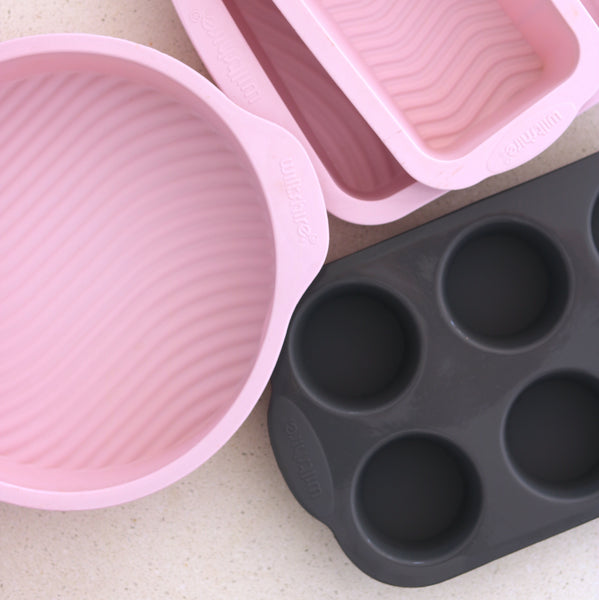
Imagine the perfect bake: golden, fluffy, and sliding effortlessly from its pan. But wait, do you have to butter silicone bakeware to achieve this perfection?
If you’re in the kitchen, staring at your silicone molds, you might be wondering if skipping the butter could ruin your baking masterpiece. You’re not alone; this question puzzles many bakers, both novice and seasoned. Silicone bakeware promises easy release and simple cleanup, but does it truly deliver without the aid of butter or oil?
You’ll discover whether these colorful, flexible pans live up to their non-stick reputation. We’ll explore the science behind silicone, share expert insights, and reveal practical tips to elevate your baking game. Get ready to uncover the secrets of silicone bakeware. By the end, you’ll know exactly how to use it to your advantage, ensuring your treats turn out perfectly every time. Don’t miss out—your future bakes depend on it!

Credit: www.soupercubes.com
Silicone Bakeware Basics
Butter is not necessary for silicone bakeware due to its non-stick properties. Lightly greasing may enhance easy release.
Silicone bakeware has become popular in many kitchens. Its flexibility and non-stick nature make it a favorite. Understanding its basics can enhance your baking experience.Material Properties
Silicone is known for its flexibility and heat resistance. It can withstand temperatures from -40°F to 500°F. This makes it ideal for both baking and freezing. Silicone is also non-toxic and doesn’t react with food. Its non-stick surface means less greasing or buttering. This property helps in easy release of baked goods. Cleaning is also simple, as food doesn’t cling to the surface.Common Uses In Baking
Silicone bakeware is versatile in the kitchen. It is often used for muffins, cakes, and bread. Its flexible nature allows easy removal of delicate items. Bakers use it for candies and chocolates too. You can find silicone molds in various shapes and sizes. These are perfect for themed baking or special occasions. Silicone mats are also popular for rolling dough. They provide a non-stick surface for even spreading.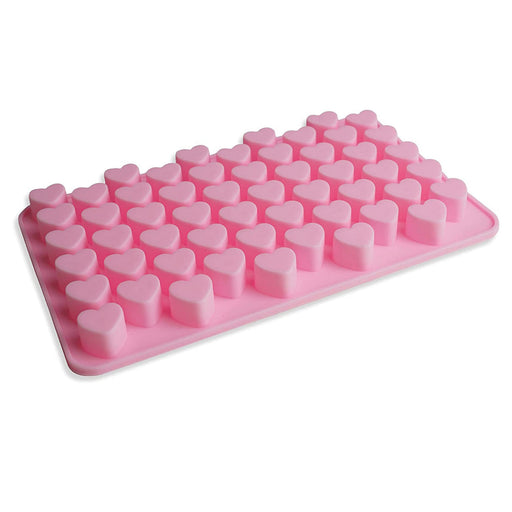
Credit: www.wisefood.eu
Butter Or Not: The Debate
Butter: the golden question in the kitchen when using silicone bakeware. You might find yourself standing at your counter, butter in one hand, silicone pan in the other, wondering if the extra step is necessary. Let’s dive into the heart of this culinary debate.
Non-stick Nature Of Silicone
Silicone bakeware is known for its non-stick properties. Its smooth surface is designed to release baked goods effortlessly, without the need for additional greasing. I’ve personally marveled at the ease with which brownies slide out, leaving no crumb behind.
The allure of silicone is its promise of hassle-free baking. But does it always deliver on this promise? Some bakers argue that certain recipes, especially those prone to stickiness, still benefit from a light buttering. Have you ever had a stubborn cake that refused to budge? That’s the concern some face.
Impact Of Buttering
Adding butter can enhance the flavor and texture of your baked goods. This is particularly true for items like cookies and pastries, where a buttery crust can make a significant difference. However, too much butter might alter the intended taste or texture of delicate recipes.
Moreover, buttering can slightly compromise the non-stick surface. You may find a greasy residue lingering even after washing, which could affect future bakes. Is the risk worth the reward? That’s the crux of the buttering debate.
So, the decision to butter or not rests on your preferences. Consider the recipe, the bakeware, and the outcome you desire. Are you willing to experiment, or do you prefer to stick to tried and tested methods? Your silicone bakeware awaits your verdict.
Expert Opinions
Silicone bakeware has gained popularity for its non-stick and flexible nature. Yet, the question of whether to butter silicone bakeware remains. Let’s explore what experts say.
Professional Bakers’ Insights
Many professional bakers suggest buttering silicone bakeware for certain recipes. Butter adds flavor and helps achieve a golden crust. Though silicone is non-stick, butter prevents sticking in recipes with high sugar content. Cakes and pastries benefit from the added layer of richness. For easy release, bakers often apply a thin layer of butter. This ensures baked goods maintain their shape and texture.
Chemists’ Perspective
Chemists offer a scientific view on silicone bakeware. Silicone has a unique structure that repels water. This property aids in its non-stick ability. However, butter can enhance its performance. Butter acts as a lubricant, reducing friction between silicone and food. This helps in smooth release. For sticky or sugary recipes, chemists recommend buttering. It prevents sugar caramelization from bonding with silicone.
Benefits Of Buttering Silicone Bakeware
Buttering silicone bakeware enhances non-stick properties and ensures easy release of baked goods. It also adds a golden crust to your treats.
Buttering silicone bakeware might seem unnecessary, but it can offer several surprising benefits. While silicone is known for its non-stick properties, adding a layer of butter can enhance your baking results in unexpected ways. Let’s dive into why this simple step can make a big difference in your baking experience.Enhanced Flavor And Texture
Adding butter to your silicone bakeware can elevate the flavor of your baked goods. Imagine the subtle, rich taste of butter infused into your cakes or cookies. Butter also promotes a golden, crispy exterior, especially for items like muffins or bread. This can transform your baked items from good to irresistible. The butter creates a barrier that can slightly caramelize, adding a delightful texture. Who wouldn’t want a bit more crunch and flavor in their favorite treats?Ease Of Cleaning
Think about how much easier cleanup can be with a bit of butter. Even with silicone’s non-stick nature, some residues might cling to the surface. A thin butter layer acts as an additional shield, ensuring that baked goods release effortlessly. This means less scrubbing and more time enjoying your creations. You might be wondering if it’s worth the extra step. But consider the ease of cleaning and the time saved. Isn’t that a compelling reason to try buttering your silicone bakeware next time?Alternatives To Butter
Butter in baking has long been a staple. It adds flavor and helps prevent sticking. But sometimes, you might want alternatives. Whether for dietary reasons or flavor preferences, there are options. Here we explore alternatives to butter for silicone bakeware.
Oils And Sprays
Oils can be a great substitute for butter. Olive oil adds a fruity taste. Canola oil is neutral and versatile. These oils provide a smooth release. For convenience, you can use cooking sprays. They coat evenly and quickly. Just a light mist can be enough. Ensure the spray covers all surfaces.
Non-stick Baking Sheets
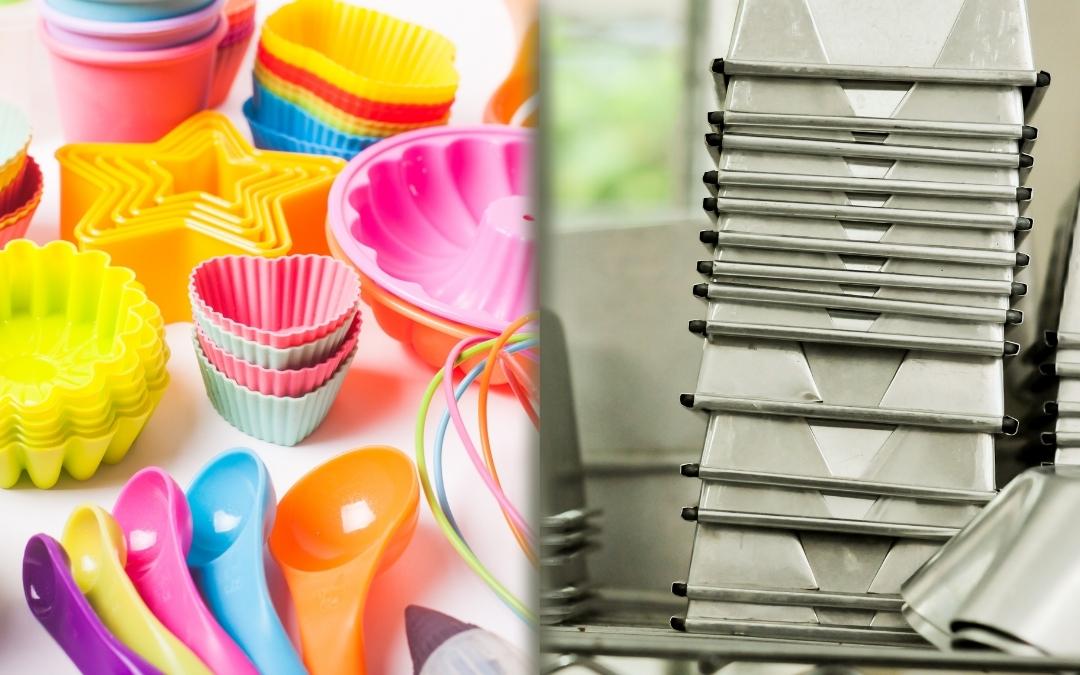
Non-stick baking sheets are another option. They create a barrier between the bakeware and the batter. This helps in easy release. They are reusable and easy to clean. Silicone mats are a popular choice. They fit well in most pans. Perfect for cookies and pastries. They also help in even baking.
Credit: www.bakewithyen.sg
Tips For Using Silicone Bakeware
Butter silicone bakeware lightly to prevent sticking and ensure easy release. This step isn’t always necessary but helps with certain recipes. For a smooth baking experience, consider this simple preparation tip.
Silicone bakeware offers a flexible and non-stick option for baking. It’s essential to know how to use it properly. Here are some helpful tips for using silicone bakeware effectively.Temperature Considerations
Silicone bakeware can handle a wide range of temperatures. Always check the manufacturer’s instructions for specific temperature limits. Typically, silicone is safe up to 428°F (220°C). Avoid placing it under direct heat or on open flames. This can damage the material.Proper Storage And Care
Store silicone bakeware in a cool, dry place. Avoid sharp tools and abrasive cleaners. They can scratch the surface. Wash it with warm soapy water and a soft cloth. Ensure it is completely dry before storing. This prevents mold and bacteria growth. These tips will help maintain your silicone bakeware’s quality and longevity.Frequently Asked Questions
Do You Need To Grease Silicone Bakeware?
Silicone bakeware typically doesn’t need greasing, but a light coating can help. For sticky recipes or first-time use, consider greasing. It ensures easy release and maintains the bakeware’s quality. Always follow the recipe’s guidelines for best results. Silicone’s non-stick nature often makes it a preferred choice for baking enthusiasts.
Is Silicone Bakeware Truly Non-stick?
Yes, silicone bakeware is generally non-stick. Its flexible nature helps in easy release of baked goods. However, for extremely sticky recipes, a light greasing might be beneficial. Silicone offers convenient baking and cleaning, making it popular among bakers. Always ensure the silicone is high-quality for optimal performance.
Can Butter Damage Silicone Bakeware?
Butter won’t damage silicone bakeware. It’s safe to use and can enhance non-stick properties. However, excessive greasing is unnecessary and may leave residue. Silicone’s durability makes it resistant to typical baking ingredients. Proper care ensures long-lasting performance and better baking results with each use.
How To Clean Silicone Bakeware Properly?
Wash silicone bakeware with warm soapy water after each use. Avoid harsh abrasives to maintain its non-stick surface. For stubborn stains, soak in hot water or use a baking soda paste. Regular cleaning ensures longevity and optimal performance, keeping your bakeware ready for the next baking session.
Conclusion
Silicone bakeware offers convenience and versatility in the kitchen. No need for buttering. It provides a non-stick surface naturally. This saves you time and effort. Baking becomes easier, with less mess. Silicone’s flexibility allows for easy release. Cakes, muffins, and loaves pop out smoothly.
Cleaning is a breeze too. A quick rinse and you’re done. For best results, follow manufacturer instructions. This ensures your bakeware lasts longer. Experiment with your favorite recipes. Enjoy stress-free baking every time. Silicone bakeware truly simplifies your baking routine.
Give it a try and see the difference. Happy baking!