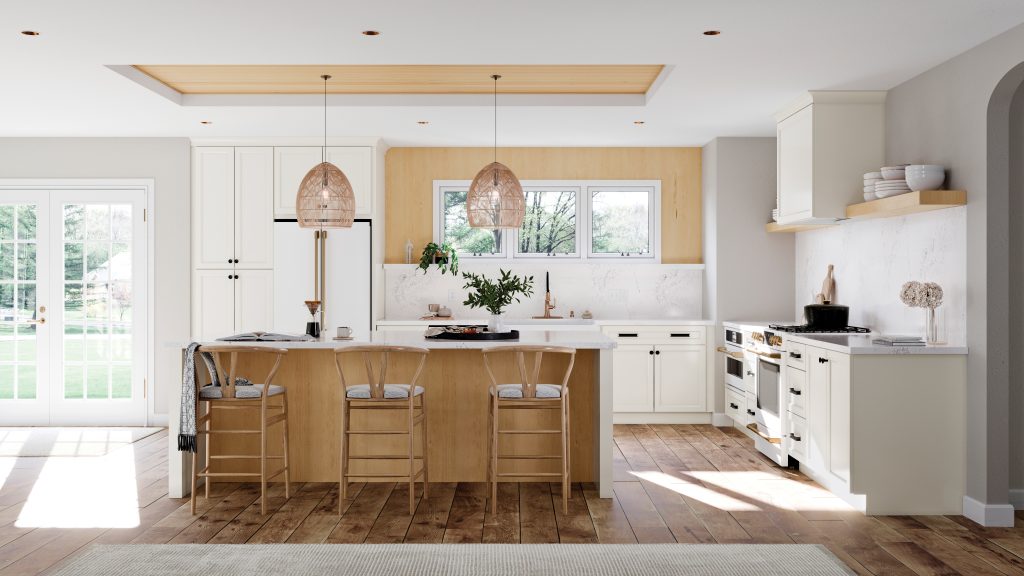
Ever walked into a kitchen and felt instantly at home? It wasn’t just the smell of fresh coffee or the warm lighting.
It was probably the design—a masterful combination of style and function that makes any cooking or dining experience delightful. Now, imagine being able to capture that magic in your own kitchen. The secret? It’s all about understanding the principles of good kitchen design.
But let’s be honest, diving into the world of design can be overwhelming. That’s where Quizlet can be your ultimate ally. Whether you’re sprucing up your current space or planning a kitchen from scratch, Quizlet can help you grasp the essential elements that make a kitchen not only beautiful but also incredibly functional. Curious about how this tool can transform your kitchen dreams into reality? Stick around as we unpack how Quizlet can guide you through the process, turning complex design principles into simple, actionable steps. Your perfect kitchen is just a read away.

Credit: quizlet.com
Key Elements Of Kitchen Design
Designing a kitchen involves more than choosing colors and styles. The key elements of kitchen design focus on functionality and efficiency. A well-designed kitchen makes cooking and cleaning easier. It also enhances the overall look of your home. Understanding these elements can help create a perfect cooking space.
Functionality And Flow
Functionality is crucial in kitchen design. Every appliance should be within easy reach. Arrange the sink, stove, and fridge in a triangle. This layout improves efficiency. It reduces unnecessary movement. Ensure that pathways are clear. This allows smooth movement while cooking.
Space Optimization
Space optimization is another important element. Use vertical space for storage. Install cabinets that reach the ceiling. This maximizes storage without cluttering. Use pull-out shelves for easy access. Consider an island for extra workspace. Keep countertops clear to maintain a tidy look.
Choosing The Right Materials
Choosing the right materials is key to good kitchen design. The materials you select affect both the look and function of your kitchen. Quality materials can ensure a durable, stylish, and practical space. Let’s explore two important aspects: countertops and cabinetry.
Durable Countertops
Countertops face daily use and need to be sturdy. Granite, quartz, and marble are popular choices. They resist scratches and stains well. Consider the ease of cleaning too. Some surfaces require special care. Laminates offer a budget-friendly option and come in many styles. Stainless steel gives a modern touch and is heat resistant.
Cabinetry Choices
Cabinets define the kitchen’s look. Solid wood is a classic choice. It’s strong and can be painted or stained. MDF is cheaper and often used for painted finishes. Consider the style and color. Light colors can make a space feel bigger. Soft-close hinges add a touch of luxury. Ensure the material fits your budget and design goals.
Lighting And Ambiance
Lighting and ambiance play a crucial role in kitchen design. They affect functionality and style. A well-lit kitchen enhances productivity and sets the mood. Proper lighting can highlight beautiful design elements. It transforms the space into a welcoming area. Let’s explore key aspects of lighting and ambiance.
Task Lighting
Task lighting focuses on areas where you perform specific tasks. It includes counters, sinks, and stoves. Bright, direct light ensures you see clearly while cooking. Under-cabinet lights are popular choices. They illuminate countertops and eliminate shadows. Pendant lights over islands provide focused illumination. Choose LED bulbs for energy efficiency and longevity. Task lighting enhances both safety and precision.
Mood Enhancements
Mood lighting creates a cozy and inviting atmosphere. It softens the kitchen environment. Use dimmer switches for adjustable light levels. Warm light bulbs add a calming feel. Wall sconces and chandeliers can enhance the style. Accent lighting highlights art or architectural features. Consider smart bulbs for color and brightness control. Mood lighting makes the kitchen a pleasant gathering place.

Credit: www.designcafe.com
Appliance Integration
Appliance integration enhances kitchen design by ensuring efficient use of space and easy access to essential tools. This principle, found in Quizlet, promotes seamless workflow and aesthetic harmony.
Appliance Integration in kitchen design is more than just fitting gadgets neatly into cabinets. It’s about creating a seamless cooking experience where everything you need is within easy reach and complements the overall aesthetic of your space. Imagine a kitchen where your fridge, oven, and dishwasher not only function well but also blend harmoniously with your cabinetry and countertops. This integration transforms your kitchen into an efficient, stylish hub of your home. Let’s dive into how appliance integration can be enhanced with energy efficiency and smart technology.Energy Efficiency
Choosing energy-efficient appliances is a smart way to reduce your utility bills and minimize your carbon footprint. Look for appliances with the Energy Star label, which indicates they meet energy-saving standards. Consider the long-term benefits: investing in a high-efficiency refrigerator might cost more upfront, but it pays off in lower energy consumption over the years. Energy-efficient appliances also tend to be quieter, which can make your kitchen a more pleasant place to cook and gather. What if your kitchen could save energy automatically? Some modern appliances adjust their energy use based on real-time data, conserving even more resources without you lifting a finger.Smart Technology
Smart technology in kitchens is no longer just a futuristic idea; it’s a practical reality. Imagine controlling your oven or checking your fridge’s contents from your smartphone. Smart appliances can be programmed to start dinner while you’re still at work or notify you when you’re low on groceries. This technology not only adds convenience but can also prevent food waste and streamline your meal planning. Are you ready to embrace a kitchen that anticipates your needs? Smart appliances are designed to adapt to your lifestyle, making cooking and cleaning more intuitive and enjoyable. As you integrate appliances into your kitchen design, consider how energy efficiency and smart technology can enhance your daily routines. What changes will make your life easier and your home more sustainable?Aesthetic Appeal
Aesthetic appeal in kitchen design focuses on harmony and balance. Colors, textures, and materials create a visually pleasing space. Lighting and layout enhance functionality while offering a warm atmosphere.
Aesthetic Appeal in kitchen design significantly enhances the overall ambiance. A well-designed kitchen is more than just functional. It creates an inviting and pleasant atmosphere. Aesthetic elements like color and decor play vital roles.Color Schemes
Color schemes impact the kitchen’s mood and feel. Neutral colors create a calm environment. Bold colors add energy and excitement. A balanced color palette can tie the kitchen together beautifully. Consider using contrasting colors for a dynamic look. Soft hues can make small spaces seem larger.Decorative Elements
Decorative elements offer personality to your kitchen. Art pieces and wall decor add character. Plants bring life and freshness to the space. Lighting fixtures can be both functional and decorative. Choose elements that reflect your style. Displaying unique kitchenware can also be decorative.Safety And Accessibility
Ensuring safety and accessibility is key in kitchen design. Proper layout minimizes hazards and enhances usability for everyone. Thoughtful organization makes cooking efficient and enjoyable.
Safety and accessibility are crucial in kitchen design. A well-planned kitchen ensures a secure environment for everyone. It also allows easy access to all kitchen areas and tools. When designing a kitchen, consider both safety and accessibility to create a functional space.Child-proofing
Child-proofing is essential in any family kitchen. Children are curious and can easily get into trouble. Secure sharp objects and hazardous materials in locked cabinets. Use safety locks on drawers and cabinets. Install stove guards to prevent accidental burns. Keep small appliances unplugged and out of reach. Ensure electrical outlets have protective covers. These steps keep children safe in the kitchen.Universal Design
Universal design makes the kitchen usable for everyone. This includes people of all ages and abilities. Install counters at different heights for accessibility. Use lever handles instead of knobs for ease of use. Ensure walkways are wide enough for wheelchairs. Place frequently used items at reachable heights. Consider pull-out shelves and drawers. A universally designed kitchen offers comfort and convenience for all users.Sustainability Practices
Sustainability practices in kitchen design emphasize efficient use of resources and eco-friendly materials. Thoughtful layouts reduce energy consumption and waste, promoting a greener lifestyle. These principles enhance functionality while preserving the environment.
Sustainability in kitchen design is more than just a trend; it’s a mindful choice that benefits both your home and the planet. By integrating sustainability practices into your kitchen, you contribute to a healthier environment and often save on utility bills. Let’s dive into some practical ways you can make your kitchen more sustainable.Eco-friendly Materials
Choosing eco-friendly materials for your kitchen not only enhances its beauty but also reduces environmental impact. Consider materials like bamboo or reclaimed wood for your countertops and cabinets. They are not only sustainable but also add a unique character to your kitchen. Opt for recycled glass tiles for your backsplash. They offer vibrant color options and are a great conversation starter. You can also explore countertops made from recycled materials which are both durable and stylish.Water And Energy Conservation
Conserving water and energy is crucial in a sustainable kitchen. Install low-flow faucets to reduce water usage without sacrificing performance. They are easy to find and even easier to install. For energy conservation, switch to LED lighting which lasts longer and consumes less electricity. You might also consider energy-efficient appliances that carry the Energy Star label. These appliances not only save energy but often come with sleek, modern designs. Think about how much water and energy your kitchen uses daily. Are there small changes you can make to reduce this? Every little bit helps in making a big difference.
Credit: www.magnet.co.uk
Budget Considerations
Designing a kitchen that meets your needs without breaking the bank requires careful budgeting. It’s easy to get caught up in the excitement of choosing new fixtures and finishes, but keeping a clear eye on your budget ensures you make smart choices. Let’s explore how you can maximize your kitchen’s potential through cost-effective upgrades and strategic investment priorities.
Cost-effective Upgrades
There are several ways to enhance your kitchen without spending a fortune. Start by evaluating what elements truly need a refresh. Sometimes a simple coat of paint can breathe new life into outdated cabinets.
Consider replacing hardware such as handles and knobs, which can make a big impact with minimal cost. You might be surprised how small changes like these can transform the overall look.
Lighting is another area where you can make affordable improvements. Adding under-cabinet lights or a stylish pendant can enhance functionality and aesthetics. Evaluate what fits your budget and style.
Prioritizing Investments
When deciding where to allocate your funds, think about what upgrades will give you the most value. Investing in energy-efficient appliances can save you money in the long run and increase the resale value of your home.
Focus on areas that impact your daily life. If you love cooking, consider investing in a quality stove or oven. It’s not just about the money, but how the investment will improve your experience.
Ask yourself: What elements of the kitchen do I use most? By prioritizing investments that enhance these areas, you ensure your kitchen serves your needs effectively.
Future Trends In Kitchen Design
The future of kitchen design is constantly evolving. New trends are emerging that focus on simplicity and innovation. These trends aim to make kitchens more functional and stylish.
Minimalist Approaches
Minimalism in kitchen design focuses on clean lines and simplicity. This approach reduces clutter and maximizes space. Designers use neutral colors and sleek materials. Cabinets often have hidden handles or are handle-free. The goal is to create a calm, organized environment. Open shelving is popular for displaying essentials.
Technology Integration
Technology plays a big role in modern kitchens. Smart appliances are becoming common. They can be controlled with a smartphone. Ovens and fridges connect to the internet for updates. Voice-activated assistants help with recipes and timers. Lighting and temperature systems are automated. This integration makes cooking efficient and enjoyable.
Frequently Asked Questions
What Is A Principle Of Good Kitchen Design?
A principle of good kitchen design involves functionality and accessibility. It ensures the kitchen is user-friendly and efficient. The layout should facilitate smooth workflow and easy access to essential areas like the stove, sink, and refrigerator. This design principle enhances the cooking experience and optimizes space utilization.
Why Is Kitchen Layout Important In Design?
The kitchen layout is crucial because it determines the workflow efficiency. A well-planned layout makes cooking and cleaning easier. It maximizes space and ensures safety by reducing clutter. A functional layout improves accessibility to appliances and storage, enhancing the overall kitchen experience.
How Does Storage Affect Kitchen Design?
Storage is vital for maintaining an organized kitchen. Adequate storage helps keep countertops clear and accessible. It allows for efficient use of space and easy access to kitchen essentials. Good storage solutions contribute to a tidy and functional kitchen, improving both aesthetics and usability.
What Role Does Lighting Play In Kitchen Design?
Lighting impacts the kitchen’s functionality and ambiance. Proper lighting ensures safe food preparation and enhances visibility. It highlights design elements and creates a welcoming atmosphere. Layered lighting, including task, ambient, and accent lighting, provides flexibility and enhances the kitchen’s overall aesthetic appeal.
Conclusion
A well-designed kitchen makes cooking easier and more enjoyable. Focus on functionality. Ensure the layout allows smooth movement. Good lighting enhances visibility and safety. Choose materials that are durable and easy to clean. Storage is key; keep essentials within reach.
A balance of aesthetics and practicality is essential. Personalize your space to reflect your style. Remember, a kitchen should be efficient and welcoming. Consider these principles for a kitchen that suits your needs. Enjoy creating a space where meals and memories happen.