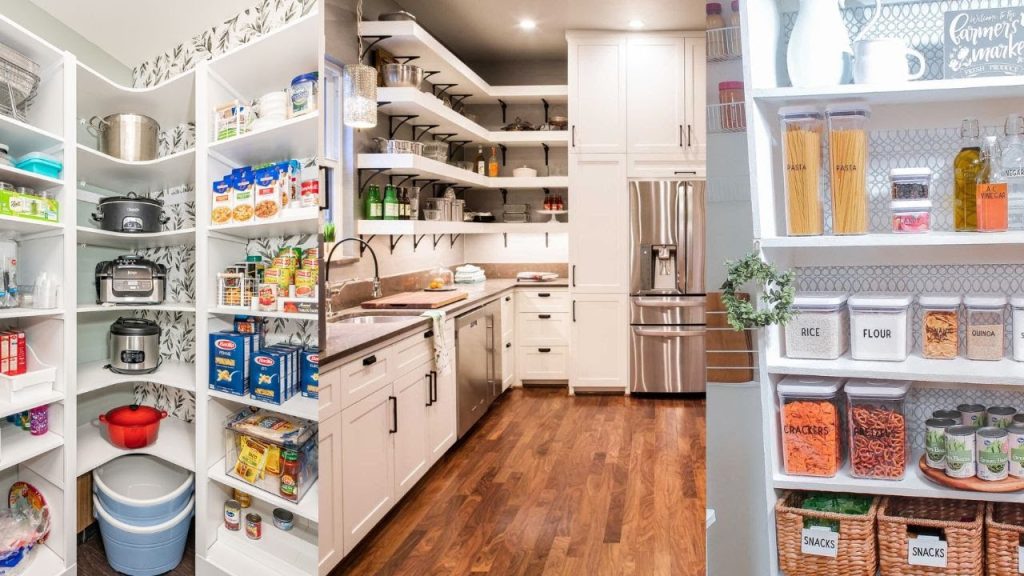
Imagine walking into a kitchen where everything is exactly where you need it. No more hunting for spices or rummaging through cluttered shelves.
With the right pantry design, this dream kitchen can be your reality. But how do you create a pantry that’s both functional and stylish? The answer lies in thoughtful design choices that cater to your specific needs and lifestyle. You’ll discover simple steps to transform your pantry into a well-organized space that enhances your cooking experience and adds value to your home.
Whether you’re a culinary enthusiast or just love a tidy kitchen, these tips will change the way you think about pantry design. Let’s dive in and unlock the secrets to creating a pantry you’ll love.
Choosing The Right Location
Selecting the ideal spot for a kitchen pantry maximizes accessibility and efficiency. Place it near cooking areas for quick ingredient access. Consider storage needs and available space to make the best choice.
Choosing the right location for your kitchen pantry is crucial. It impacts accessibility and functionality. A well-placed pantry enhances kitchen efficiency. Consider convenience and workflow when selecting the spot.Location Near Food Prep Area
Placing the pantry near the cooking area saves time. Access ingredients quickly while preparing meals. It reduces unnecessary movement in the kitchen. This setup streamlines your cooking process.Avoid High Traffic Zones
Keep the pantry away from busy areas. High traffic zones can cause congestion. Choose a quieter spot for easy access. This helps maintain a smooth kitchen flow.Close To Refrigerator
Position the pantry close to the fridge. This allows easy transfer of perishables and non-perishables. It makes meal prep more efficient. Both items stay within arm’s reach.Consider Corner Spaces
Utilize corner spaces for a pantry. Corners often remain unused. Transform them into functional storage. This maximizes your kitchen’s space.Near Dining Area
A pantry near the dining area is practical. Access snacks or condiments without delay. It aids in quick table setting. This setup is convenient for family meals.Proximity To Entrance
Locate the pantry near a kitchen entrance. It simplifies unloading groceries. You can store items directly from shopping bags. This reduces the time and effort required.Determining The Size And Layout
Designing a kitchen pantry involves careful consideration of size and layout. The right balance ensures easy access and efficient use of space. Begin by understanding your needs and available area.
Assessing Space Requirements
First, measure the area dedicated to the pantry. Consider the pantry’s location in relation to kitchen activities. Think about the number of people using the kitchen. This affects how much storage is necessary. Evaluate what items will be stored. Large families might need more space. Smaller households may require less. Consider overhead storage for rarely used items. Ensure there’s enough room to navigate comfortably. Space should allow easy reach of items.
Optimal Layout Designs
Several designs can maximize space efficiency. Walk-in pantries offer ample storage and easy access. They are ideal for larger kitchens. Reach-in pantries fit well in smaller kitchens. Open shelves allow quick item retrieval. Built-in cabinets provide a sleek look and save space. Corner pantries utilize otherwise wasted corners. Pull-out drawers give easy access to items at the back. Consider adjustable shelving for flexibility. Each layout should cater to your specific needs.
Selecting Materials And Finishes
Creating a kitchen pantry involves thoughtful planning. Selecting materials and finishes is vital for functionality and style. The right choice ensures durability while complementing your kitchen’s look. Consider various options to make your pantry both practical and appealing.
Durable Material Choices
Choose materials that withstand daily use. Solid wood is a classic option, offering strength and longevity. Plywood provides a balance between cost and durability. Metal shelves, like stainless steel, resist rust and are easy to clean. Consider laminates for their moisture resistance and affordability. Each material has its pros and cons, so weigh them carefully.
Aesthetic Considerations
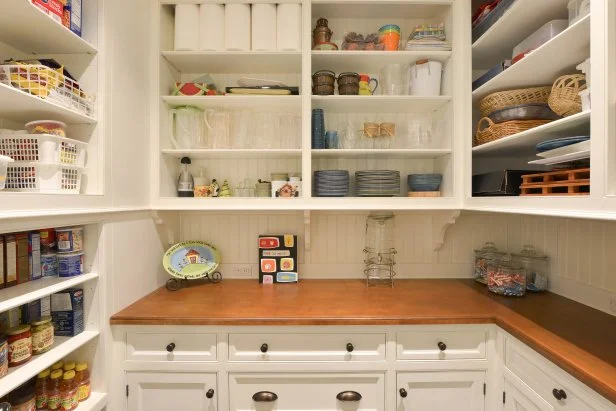
Your pantry’s look should harmonize with the kitchen. Match the finishes with existing cabinets for a unified appearance. Use paint colors that reflect your kitchen’s theme. Glossy surfaces can add a modern touch, while matte finishes offer a subtle elegance. Consider glass doors to showcase your pantry’s contents. Choose knobs and handles that complement the overall design. Balance aesthetics with practicality for a pleasing result.
Credit: www.hgtv.com
Incorporating Smart Storage Solutions
Design a kitchen pantry by incorporating smart storage solutions. Maximize space with adjustable shelves and pull-out drawers. Utilize vertical space for items like spices and canned goods.
Incorporating smart storage solutions in your kitchen pantry can transform your space. It helps keep everything organized and easy to find. Efficient storage means more space for food and kitchen essentials. Plus, it makes cooking and meal prep a breeze. Let’s explore some smart storage ideas.Adjustable Shelving
Adjustable shelving offers flexibility for your pantry needs. Change shelf heights to fit different items. Tall cereal boxes or small spice jars? No problem. This adaptability maximizes space. Shelves can be adjusted as your needs change over time. It’s a simple way to keep things neat and tidy.Pull-out Baskets And Bins
Pull-out baskets and bins provide easy access to pantry items. You can store snacks, fruits, or canned goods. No more digging through cluttered shelves. Everything slides out smoothly, making items easy to reach. This system keeps your pantry organized and efficient. It’s a great way to utilize space effectively.Maximizing Space Efficiency
Designing a kitchen pantry requires smart shelving and clever storage solutions. Use vertical space for shelves and baskets. Organize items by category for easy access.
Maximizing space efficiency in your kitchen pantry is not just about cramming everything into a small space. It’s about smart organization that makes your daily routine smoother and more enjoyable. With a few clever strategies, you can transform a cramped area into a neatly arranged haven where everything is within reach.Vertical Storage Ideas
Think of your pantry as a vertical playground for storage. Shelves that reach up to the ceiling utilize every inch of space. Stackable containers can help you make the most of these shelves without causing a towering mess. Wall-mounted racks are your friends. They free up shelf space and keep items like spices and condiments within easy reach. Consider adding hooks underneath shelves to hang measuring cups or small baskets.Utilizing Door Space
The back of your pantry door is an often-overlooked goldmine for extra storage. Over-the-door organizers can hold everything from canned goods to snacks, making them easily accessible without cluttering the main shelves. Magnetic strips are perfect for sticking small metal containers filled with spices or other essentials. This keeps them visible and easy to grab. Remember, a well-used door space means less clutter inside the pantry.Lighting And Ventilation
Lighting and ventilation are crucial in kitchen pantry design. Good lighting helps find items quickly. Proper ventilation keeps the pantry fresh and odor-free. Both aspects enhance functionality and comfort.
Effective Lighting Options
Choose bright LED lights for your pantry. They save energy and last longer. Under-shelf lighting illuminates items on lower shelves. Motion-sensor lights turn on automatically. This feature saves energy and adds convenience. Consider adjustable spotlights for specific areas. They focus light where needed the most.
Ensuring Proper Ventilation
Ventilation prevents moisture buildup and odors. Install a small exhaust fan to circulate air. A window is a great natural ventilation option. If a window isn’t possible, consider a vented door. This allows air to flow in and out easily. Regularly clean pantry items to minimize dust and smell.
Integrating Style And Functionality
Design a kitchen pantry by blending style and functionality. Choose adjustable shelves for flexible storage. Use clear containers to see contents easily. Add lighting for better visibility. Consider pull-out drawers to maximize space. Select durable materials that complement your kitchen’s decor.
Integrating Style and Functionality Creating the perfect kitchen pantry is more than just about storage. It’s about blending aesthetics with practicality to match your lifestyle and taste. A well-designed pantry can transform your kitchen into a stylish and efficient space.Balancing Aesthetics And Use
A pantry that looks good but doesn’t function well defeats its purpose. Start by assessing how much storage you need. Consider adjustable shelving to accommodate varying item sizes, ensuring everything has its place. The visual appeal should not be compromised. Choose materials and finishes that match or complement your kitchen’s design. Glass doors can make the pantry part of your kitchen decor, allowing you to showcase neatly organized items. Lighting plays a crucial role. Proper lighting not only helps in finding items but also enhances the pantry’s appearance. LED strip lights are a great choice for a modern look and energy efficiency.Incorporating Personal Style
Your pantry should reflect your personality. Think about the colors and textures you love. Whether you prefer a rustic wooden look or sleek modern metal, the choice is yours. Add personal touches with decorative elements like stylish baskets or jars. These can add a pop of color and make the space uniquely yours. Consider how you use the pantry daily. Do you enjoy cooking with spices? Dedicate a special spice rack area. Love baking? Create a section for your baking essentials. Tailoring the pantry to your habits makes it both functional and delightful. Designing a pantry is about creating a space that works for you. What small change could transform your pantry into a style statement?Budget-friendly Tips
Designing a kitchen pantry can be affordable with smart planning. Use shelves efficiently for more storage space. Consider second-hand materials to reduce costs.
Designing a kitchen pantry doesn’t have to break the bank. With a bit of creativity and resourcefulness, you can create a functional and stylish pantry without spending a fortune. Whether you’re revamping an existing space or starting from scratch, these budget-friendly tips will help you make the most of your pantry project.Cost-effective Materials
Choosing the right materials is crucial when working on a budget. Consider using plywood instead of solid wood for shelving. It’s durable and much cheaper. Opt for wire shelving units, which are economical and easy to install. They provide excellent visibility and accessibility for your pantry items. Another option is repurposing materials. Look around your home for unused items that can be transformed into shelving or storage bins.Diy Solutions
Embrace the DIY spirit to save money on labor costs. Building your own shelves is a great way to cut expenses. You can find simple tutorials online that guide you through the process step by step. Paint and stain are your friends. A fresh coat of paint can make old shelves look new, and staining can add a touch of elegance to basic wood structures. Think outside the box for storage solutions. Use mason jars for dry goods, or turn an old ladder into a unique shelving unit. The possibilities are endless when you put your imagination to work. If you’ve ever transformed a thrift store find into a stylish storage solution, you know the thrill of a great DIY project. What creative idea can you bring to your pantry design?Common Mistakes To Avoid
Designing a kitchen pantry, ignore cluttered shelves and inadequate lighting. Plan for adjustable shelving and proper ventilation. Avoid overcrowding by creating designated zones for different items.
Designing a kitchen pantry is both exciting and challenging. A well-planned pantry enhances your kitchen’s efficiency and functionality. But sometimes, common mistakes can hinder the process. Knowing these pitfalls helps in creating a space that truly works for you.Ignoring Space Limitations
One mistake is ignoring space limitations. Many people dream of a large pantry. Yet, not every kitchen can accommodate this. Assess your kitchen’s available space first. Choose storage solutions that fit your specific area. Consider vertical space as well. Shelves that reach higher can maximize storage. Avoid overcrowding. A cramped pantry is hard to use. Instead, opt for a design that balances storage with accessibility.Overlooking Accessibility
Accessibility is key in pantry design. Often, people overlook this aspect. Items stored too high or too low become difficult to reach. Plan for easy access to frequently used items. Consider pull-out shelves or lazy Susans. These options make it easier to reach what you need. Think about lighting, too. A well-lit pantry helps in finding items quickly. Ensure the entrance is wide enough for easy movement. A functional pantry should be easy to navigate and use daily.
Credit: www.youtube.com

Credit: www.hgtv.com
Frequently Asked Questions
What Are Essential Features Of A Kitchen Pantry?
A well-designed kitchen pantry should include adjustable shelving, pull-out drawers, and ample lighting. Incorporate labels for organization and easy access. Ensure it has enough space for both dry goods and larger kitchen items. A good pantry design maximizes storage efficiency while maintaining accessibility and visibility.
How To Maximize Small Kitchen Pantry Space?
Use vertical storage solutions like stacked shelves and hanging racks. Opt for clear containers to identify contents easily. Implement pull-out baskets and lazy Susans for better accessibility. Utilize door space with hooks or baskets. Prioritize frequently used items at eye level for convenience.
What Materials Are Best For Pantry Shelving?
Durable materials like wood, metal, or high-quality laminate are ideal for pantry shelving. Wood offers a classic look and sturdy support. Metal is great for a modern aesthetic and durability. High-quality laminate provides a cost-effective, easy-to-clean option. Choose materials that match your kitchen style and budget.
How To Organize A Kitchen Pantry Efficiently?
Categorize items by type and frequency of use. Use clear bins and labels for easy identification. Arrange items by height and size for better visibility. Store heavier items on lower shelves. Regularly declutter to maintain organization. Efficient organization saves time and reduces food waste.
Conclusion
Designing a kitchen pantry can be simple and rewarding. Use space wisely. Choose adjustable shelves for flexibility. Organize items by category for easy access. Consider lighting to enhance visibility. Opt for clear containers to identify contents quickly. Regularly check and declutter to maintain order.
A well-organized pantry saves time and reduces stress. It also improves cooking efficiency. Focus on functionality and style. With these tips, your pantry will become a helpful kitchen asset. Enjoy a tidy and efficient kitchen pantry.