
Imagine walking into your kitchen and being greeted by sparkling floors and spotless surfaces. It’s a scene you dream of, but achieving it seems like a daunting task.
You might think a vacuum cleaner is only for carpets and upholstery, but what if it could be your secret weapon for maintaining a clean kitchen? Yes, you read that right—your vacuum cleaner can transform your kitchen cleaning routine into a quick, easy, and efficient process.
You deserve a clean space where you can cook without the distraction of crumbs and dust. You want to spend more time enjoying your meals and less time scrubbing floors. This article will show you how to use your vacuum cleaner to tackle dirt and debris, making your kitchen shine like never before. Ready to discover a new way to clean that saves time and effort? Keep reading and find out how your vacuum cleaner can become your kitchen’s best friend.
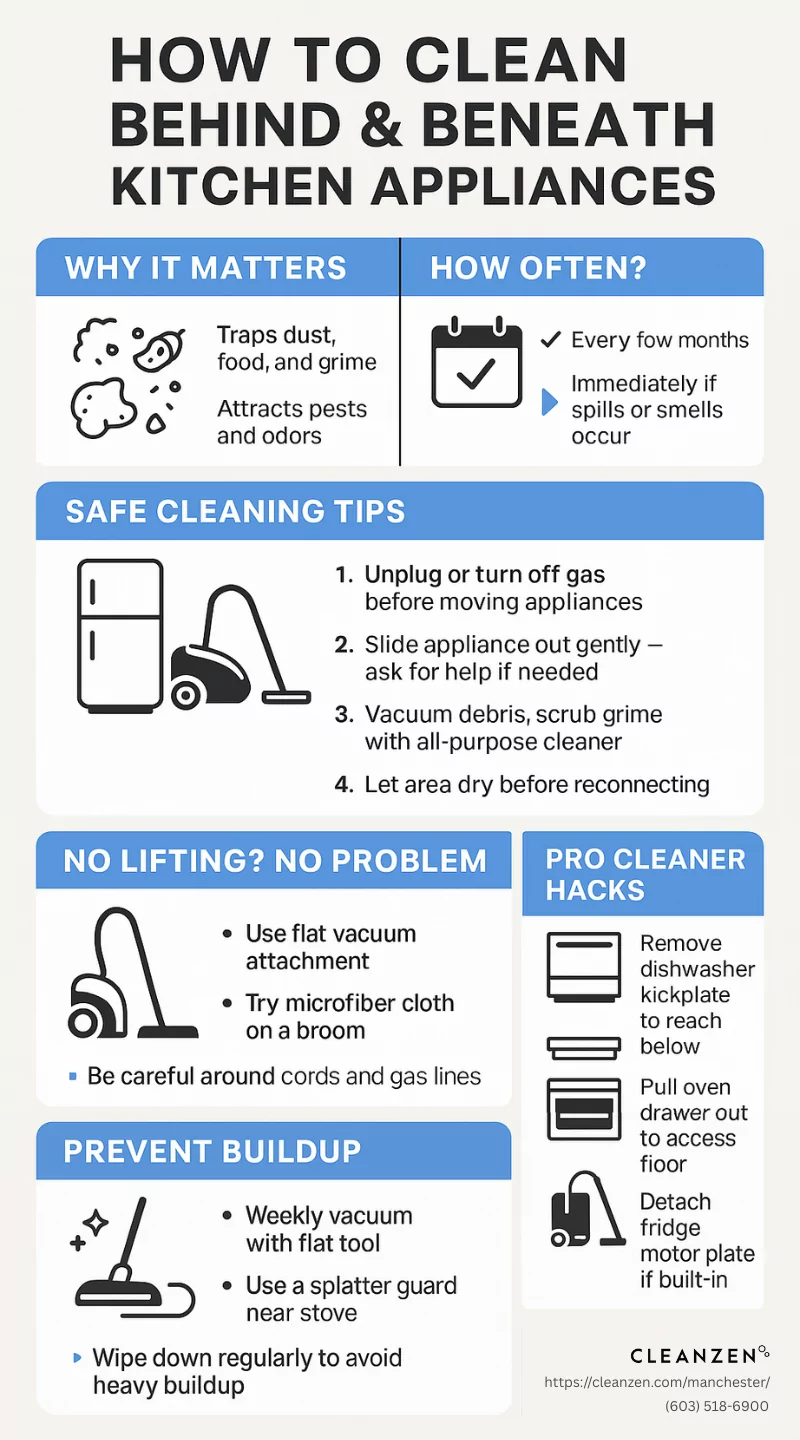
Credit: cleanzen.com
Choosing The Right Vacuum Cleaner
Cleaning the kitchen can be a breeze with the right vacuum cleaner. Picking the right one is essential for efficient cleaning. Not all vacuum cleaners are suitable for kitchen messes. Some are better for crumbs, while others tackle dust and spills.
Types Of Vacuum Cleaners
Several types of vacuum cleaners are available for kitchen cleaning. Each has unique benefits and drawbacks.
- Upright Vacuums:Best for larger areas. They have strong suction power.
- Handheld Vacuums:Ideal for small spills. Easy to maneuver.
- Canister Vacuums:Versatile and great for various surfaces.
- Stick Vacuums:Lightweight and easy to handle. Suitable for quick clean-ups.
Features To Consider
Various features can enhance a vacuum cleaner’s performance in the kitchen. Consider these key features:
- Suction Power:Strong suction ensures thorough cleaning.
- Attachments:Look for brushes and nozzles. They help reach corners.
- Bagless Design:Easier to empty, saves money on bags.
- Filter Type:HEPA filters trap dust and allergens.
Choose the vacuum cleaner based on your kitchen’s needs. The right choice makes cleaning easy and effective.
Preparation Before Cleaning
Cleaning the kitchen with a vacuum cleaner is efficient. Preparation makes the process smoother. Start with a clean surface. Remove obstacles for a seamless experience.
Clearing Kitchen Surfaces
Begin by clearing counters and tables. Put away dishes and utensils. Store appliances in cabinets. Wipe surfaces to remove crumbs or spills.
Removing Clutter And Obstacles
Ensure the floor is free of clutter. Pick up toys, shoes, and other items. Move chairs and stools. Give your vacuum space to work.
Vacuuming Techniques
Cleaning the kitchen with a vacuum cleaner requires strategic techniques. Begin by attaching a nozzle suitable for corners and crevices. Focus on areas like under cabinets and behind appliances, where crumbs often accumulate. Regularly empty the vacuum bag to maintain suction power.
Vacuuming Techniques Keeping the kitchen clean can be challenging. One efficient way is using a vacuum cleaner. It helps in reaching tight spaces. Vacuuming ensures dirt and dust are removed thoroughly. Let’s explore effective techniques for vacuuming in the kitchen.Vacuuming Floors
Start with the floor. Use a vacuum with a floor brush attachment. It picks up crumbs and dirt easily. Move the vacuum in straight lines. Overlap each pass slightly for thorough cleaning. Don’t forget corners and edges. They collect dirt quickly.Cleaning Under Appliances
Appliances hide dust and crumbs. Use a crevice tool on the vacuum. Reach under the refrigerator and stove. Slide the tool carefully to avoid damage. Check under smaller appliances too. Regular cleaning prevents buildup and pests.Vacuuming Countertops And Cabinets
Use a soft brush attachment for countertops. It helps remove crumbs without scratching surfaces. Focus on corners and edges. Cabinets also collect dust. Use the vacuum on the top and inside shelves. A clean cabinet makes the kitchen look tidier.
Credit: www.tiktok.com
Handling Different Kitchen Surfaces
Cleaning kitchen surfaces with a vacuum cleaner is efficient and easy. Use the right attachment for each surface. Keep countertops, floors, and corners free of crumbs and dirt.
Cleaning your kitchen with a vacuum cleaner might seem unconventional, but it’s surprisingly effective. Kitchens have a variety of surfaces, each requiring a unique approach to keep them spotless. Let’s delve into how to handle these different kitchen surfaces with your trusty vacuum cleaner.Tiled And Hardwood Floors
Tiled and hardwood floors are quite common in kitchens, and maintaining their shine is crucial. Use the vacuum cleaner’s hard floor setting to prevent scratching the surface. Regular vacuuming helps remove dirt and debris that can get trapped in tile grout or between hardwood planks. When vacuuming tiles, pay attention to the edges and corners where dust often accumulates. For hardwood floors, ensure the vacuum’s brush is soft enough to avoid damage. Do you ever notice how dust seems to magically gather under your kitchen cabinets? Use the vacuum cleaner’s crevice tool to reach those tight spots, ensuring no hidden dirt is left behind.Carpeted Areas
Carpeted kitchen areas might sound unusual but can add warmth and comfort. However, they need a different cleaning approach. Opt for a vacuum cleaner with a rotating brush or beater bar to effectively lift dirt from the carpet fibers. Regular vacuuming is essential to prevent stains and odors in carpeted areas. Consider vacuuming the carpet after every meal preparation to keep crumbs and spills from settling. Ever tried using baking soda to freshen up your carpet before vacuuming? Sprinkle a little over the carpet, let it sit for 15 minutes, then vacuum it up for a fresh scent. It’s a simple trick that can make a big difference. By understanding the needs of different surfaces in your kitchen, you can maintain a cleaner, fresher space using just your vacuum cleaner. Have you thought about how your kitchen surfaces affect your cleaning routine?Dealing With Spills And Stains
Cleaning spills and stains in the kitchen can be efficient with a vacuum cleaner. Use a vacuum to remove dry spills like flour or sugar before they spread. For sticky spots, use a vacuum with a wet feature to tackle liquid messes, ensuring a spotless kitchen floor.
Dealing with spills and stains in the kitchen can be challenging. A vacuum cleaner is a helpful tool in this situation. It can handle both dry and wet spills efficiently. This saves time and effort, keeping the kitchen spotless.Dry Spills
Dry spills like flour or sugar are common in kitchens. Use a vacuum cleaner to clean them quickly. Ensure the vacuum is set to the right mode for dry cleaning. Sweep the nozzle over the spill gently. It sucks up the particles without scattering them. This method prevents mess from spreading.Wet Spills
Wet spills need a different approach. A vacuum cleaner can be useful if it has a wet mode. First, use paper towels to blot excess liquid. This prepares the area for the vacuum. Adjust the vacuum to the wet setting. Slowly move the nozzle over the wet spill. It absorbs the liquid efficiently. This keeps your kitchen floor dry and clean.
Credit: www.tiktok.com
Maintaining Your Vacuum Cleaner
Effortlessly clean your kitchen using a vacuum cleaner with the right attachments. Remove crumbs from countertops and floors swiftly. Keep your vacuum in top shape by emptying the dustbin and cleaning filters regularly.
Maintaining your vacuum cleaner ensures it works efficiently. A well-maintained vacuum can extend its life and improve its performance. Proper care keeps it ready for your kitchen cleaning tasks. Regular checks prevent issues and keep suction power strong. Follow these simple tips to keep your vacuum in top condition.Regular Filter Cleaning
Clean filters ensure optimal suction power. Dirty filters block airflow and reduce efficiency. Most vacuums have washable or replaceable filters. Check your vacuum’s manual for specific instructions. Washable filters need regular washing. Rinse them under running water until clean. Let them dry completely before reusing. Replace non-washable filters as recommended.Checking For Blockages
Blockages can reduce vacuum efficiency. Common blockage points include hoses and brush rolls. Check these areas regularly. Remove any debris or tangled hair. Use a long stick to clear blockages in hoses. A clean brush roll improves carpet cleaning. Snip away any hair or strings wrapped around it. Regular checks prevent unexpected performance drops.Safety Tips
Cleaning your kitchen using a vacuum cleaner can be a game-changer, but it’s crucial to prioritize safety to avoid any mishaps. With the right precautions, you can enjoy a tidy kitchen without compromising your well-being. Let’s dive into some key safety tips to ensure your cleaning process is efficient and risk-free.
Avoiding Electrical Hazards
Electrical hazards are a real concern when using any appliance, including vacuum cleaners. Always make sure your hands are dry before plugging in or operating the vacuum. Moisture can lead to dangerous electrical shocks.
Inspect the vacuum cleaner’s plug and cord for any wear and tear. Damaged cords can be a source of electrical hazards, so replacing them promptly is essential.
Consider the placement of electrical outlets in your kitchen. Ensure the cord doesn’t stretch across areas where it might trip someone or get snagged on furniture. This will help prevent accidents and maintain a safe environment.
Proper Handling Of Cords
The vacuum cleaner cord is often overlooked, but proper handling is vital for safety. Keep the cord away from hot surfaces like the stove or oven to avoid melting or fire risks.
When moving around the kitchen, ensure the cord is not tangled or knotted. Tangling can cause the vacuum to malfunction or create tripping hazards.
Regularly check the cord for knots or damages. If you notice any issues, address them immediately. A smooth and intact cord ensures both safety and efficiency during cleaning.
Using a vacuum cleaner in the kitchen offers great convenience, but how do you ensure your cleaning routine is safe and effective?
Frequently Asked Questions
Can A Vacuum Cleaner Clean Kitchen Floors Effectively?
Yes, a vacuum cleaner can effectively clean kitchen floors. It removes dirt, crumbs, and dust quickly. Use a vacuum with a hard floor setting for better results. Regular vacuuming keeps your kitchen hygienic and tidy.
Which Vacuum Attachment Is Best For Kitchen Cleaning?
The crevice tool is ideal for kitchen cleaning. It reaches narrow spaces and corners easily. Use the brush attachment for countertops. Different attachments enhance the vacuum’s efficiency in different areas.
How Often Should I Vacuum My Kitchen?
It’s best to vacuum your kitchen daily. Regular cleaning prevents buildup of dirt and food particles. Frequent vacuuming maintains cleanliness and reduces allergens.
Are Vacuum Cleaners Safe For All Kitchen Surfaces?
Vacuum cleaners are generally safe for most kitchen surfaces. Use the appropriate setting for hard floors or carpets. Avoid vacuuming wet areas to prevent damage to the vacuum cleaner.
Conclusion
Cleaning your kitchen with a vacuum cleaner is simple and effective. It saves time and removes dirt efficiently. Start by using the vacuum on the floors. Then, move to countertops and other surfaces. Make sure to use the right attachments for different areas.
Regular cleaning keeps your kitchen fresh and hygienic. Remember to empty the vacuum bag or bin after use. This ensures your vacuum works well next time. Keep your kitchen spotless with these easy steps. Happy cleaning and enjoy your tidy kitchen space!